PSOL Party Nominates Araceli Lemos for Governor of Pará
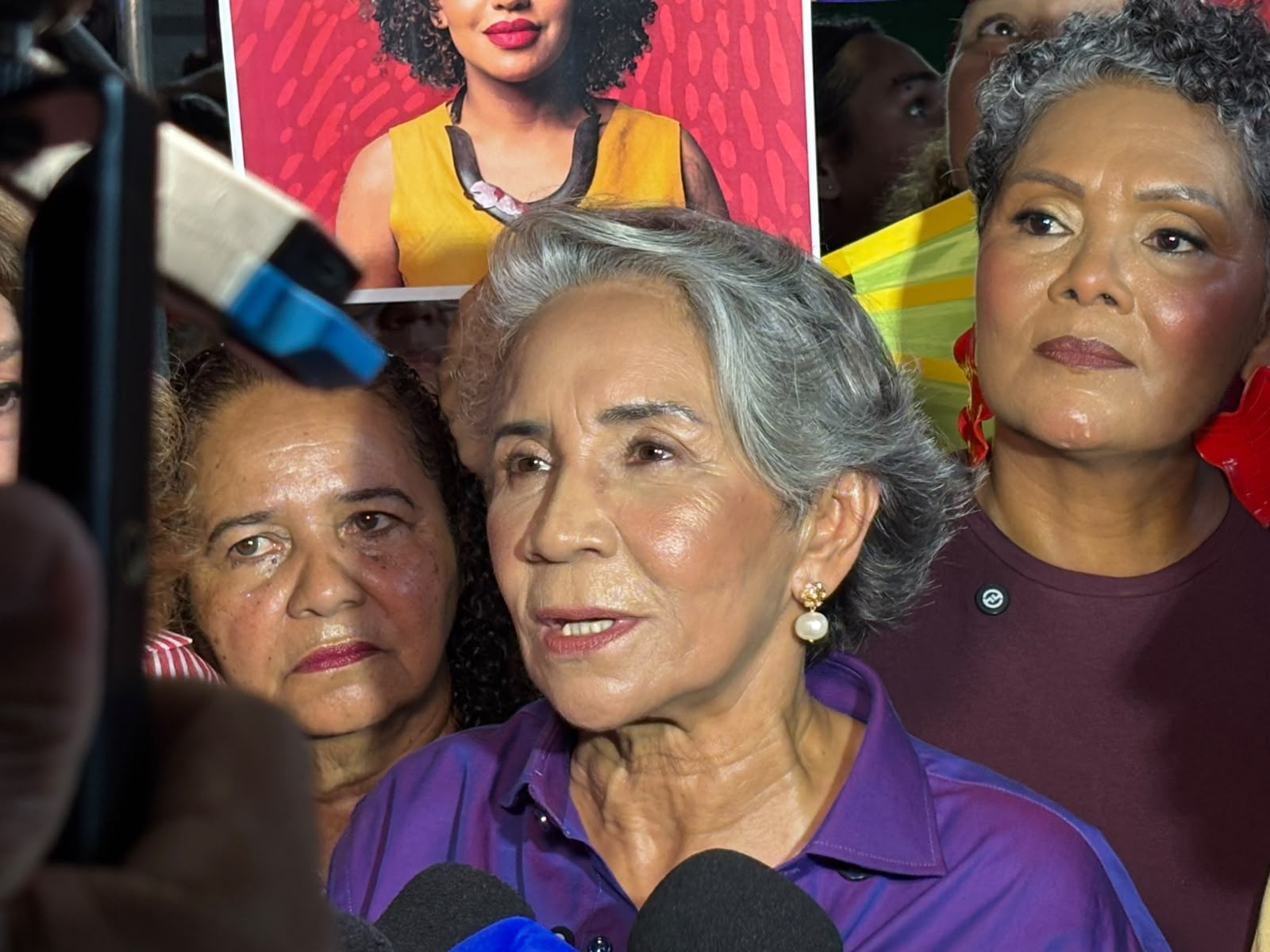
The Workers' Socialist Party (PSOL) has officially nominated Araceli Lemos as its candidate for governor of Pará state. The decision was made during a convention held on Tuesday, August 4th, at the Tuna Luso Brasileira Gymnasium in Belém. Lemos, an educator and feminist, previously served two terms as a state deputy and currently holds the position of state president for PSOL in Pará. The party also approved other candidacies, including Fátima Santana for vice-governor and Gizelle Freitas and Marcelino Conti for the Senate. A key proposal highlighted by Lemos is the improvement of basic sanitation, with a focus on expanding access to treated water and potentially reviewing the privatization process of the state's water supply services. She emphasized a vision for Pará where its resources benefit its people, prioritizing water access for all citizens. The convention also saw the nomination of candidates for state and federal deputy positions. The PSOL's platform centers on defending the working class, women, youth, marginalized communities, and the Amazon, with a commitment to human rights, public education, and social justice. The deadline for party conventions to select candidates is August 5th, with registration at the Superior Electoral Court (TSE) due by August 15th, and the official election campaign commencing on August 16th for elections scheduled for October 4th.
The PSOL's nomination of Araceli Lemos for governor of Pará reflects a strategic effort to mobilize voters around specific social and infrastructure issues, particularly basic sanitation and water access. By framing these as central to reclaiming the state's wealth for its people, the party aims to differentiate itself from established political forces and potentially challenge privatization trends in essential services. This approach aligns with a broader trend of parties emphasizing local governance and resource control as key electoral themes. Looking ahead, the success of such platforms will likely depend on their ability to translate grassroots advocacy into tangible policy proposals and demonstrate a credible path toward implementation, especially within the complex fiscal and regulatory landscape of Brazilian states. The emphasis on social movements and popular participation suggests an attempt to build a coalition that can exert sustained pressure on governance structures beyond the election cycle.
AI-generated to prompt reflection — not editorial opinion, not advice, not a statement of fact. How this works.
