PSOL-Rede Taps Economist William Siri as Rio de Janeiro Governor Candidate
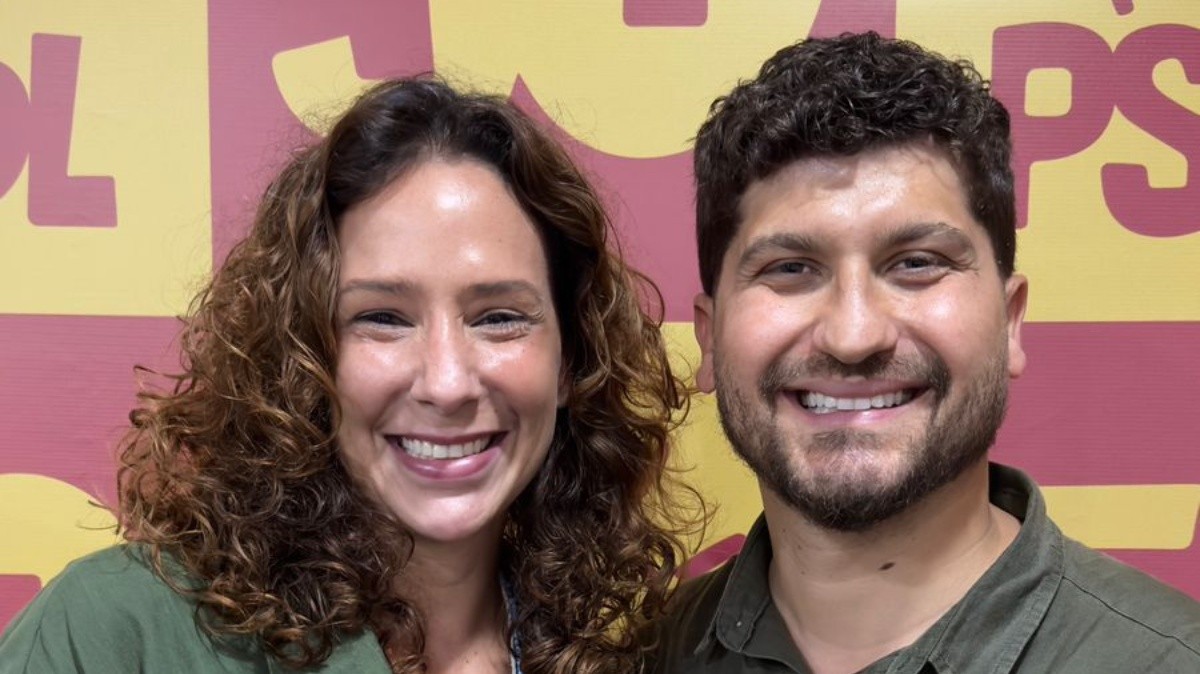
The PSOL-Rede federation has officially nominated William Siri as its candidate for Governor of Rio de Janeiro. The decision was formalized during the party's state convention on Wednesday, May 29th, held at the Municipal Chamber of Rio de Janeiro. Siri, a 33-year-old economist and current city councilor, is making his first bid for the governorship. He was first elected to the Rio de Janeiro City Council in 2020 and re-elected in 2024 with 19,800 votes. Born in Nova Iguaçu, he moved to Campo Grande at age 10. His platform includes modernizing the railway system with expanded lines and reduced fares, re-nationalizing the state water and sewage company (Cedae), investing in programs for women's protection and expanding dedicated police stations, and increasing compensation for public servants in education, health, and security. The ticket also features Professor Juliana Carvalho as the vice-governor candidate and Mônica Benício for the Senate. The federation will also support Benedita da Silva for the second Senate seat. Siri's political journey began in 2014 with the founding of a local collective. He previously ran for city council in 2016, served as a substitute, and ran for state deputy in 2018, receiving over 14,000 votes. He was elected councilor in 2020 and re-elected in 2024. An evangelical, he was recognized in 2021 for his role in interfaith initiatives.
The nomination of William Siri by the PSOL-Rede federation presents a strategic alignment of progressive policy proposals, including infrastructure modernization, public service enhancement, and specific protections for women. As an economist and incumbent councilor, Siri's candidacy aims to leverage his legislative experience and data-driven policy background to address systemic challenges in Rio de Janeiro. The inclusion of re-nationalization of key utilities and increased public sector wages suggests a focus on state intervention and social equity. The electoral calendar, with conventions concluding by August 5th and registration by August 15th, underscores the compressed timeline for campaign mobilization. The broader context of the election includes choices for president, governor, senators, and federal and state deputies, indicating a complex political landscape where coalition-building and voter engagement will be critical for success.
AI-generated to prompt reflection — not editorial opinion, not advice, not a statement of fact. How this works.