PSTU Names Zé Batista as Candidate for Governor of Ceará
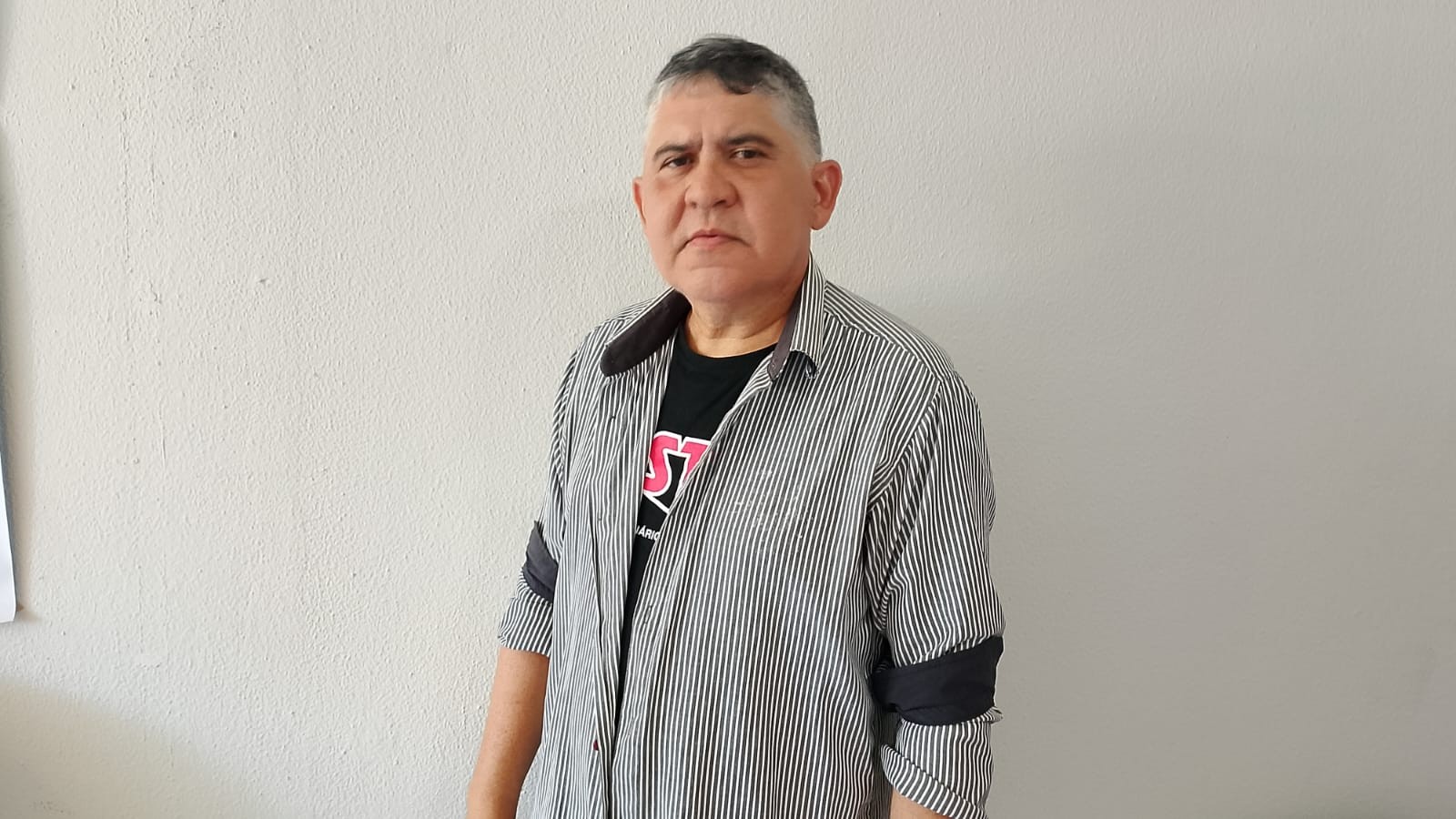
The United Socialist Workers' Party (PSTU) in Ceará has officially nominated Zé Batista as its candidate for Governor of the State. The announcement was made on Saturday, August 1st, at the CSP-Conlutas auditorium in downtown Fortaleza. Zé Batista, a construction worker by trade and currently the president of PSTU in Ceará, previously ran for governor in 2022, securing 1,507 votes, which represented 0.03% of the total. This marks his second attempt to win the governorship. The PSTU convention also approved Ivonete Félix as the vice-governor candidate and Reginaldo Ferreira for the Senate. Additionally, the party presented candidates for state deputy positions. The PSTU expressed strong criticism of the candidacies of Elmano de Freitas (PT) and Ciro Gomes (PSDB), stating that both represent the interests of economic elites and do not offer solutions for workers. Zé Batista emphasized the difficulty of their task but stressed the necessity of presenting an alternative to what he described as "capital's projects." He noted that the party's decision to field candidates is not a matter of preference but a response to the need for representation for workers. The convention also confirmed the party's stance on national and local political issues. The deadline for party conventions to select candidates is August 5th, with registration at the Superior Electoral Court (TSE) due by August 15th. The official election campaign commences on August 16th, leading up to the elections on October 4th, where Brazilians will vote for president, governor, senators, federal deputies, and state deputies. Zé Batista, originally from Iguatu, has a history of political participation, including a run for Mayor of Fortaleza in 2024 and for city councilor in 2020.
The PSTU's nomination of Zé Batista reflects a persistent strategy by smaller left-wing parties to offer a distinct ideological alternative, particularly focusing on labor representation. By positioning themselves against perceived "elite" candidates, these parties aim to mobilize a specific segment of the electorate dissatisfied with mainstream political offerings. However, historical voting data, including Batista's previous low vote percentages (0.03% in 2022 for governor, 0.04% for mayor in 2024), highlights the significant challenge of translating this ideological stance into electoral success. The party's approach, while principled from its perspective, operates within a political landscape often dominated by broader coalitions and established figures, raising questions about the long-term viability of such strategies in influencing systemic change or achieving significant electoral breakthroughs in the current decade.
AI-generated to prompt reflection — not editorial opinion, not advice, not a statement of fact. How this works.