PSTU Nominates Cleber Rabelo for Governor of Pará
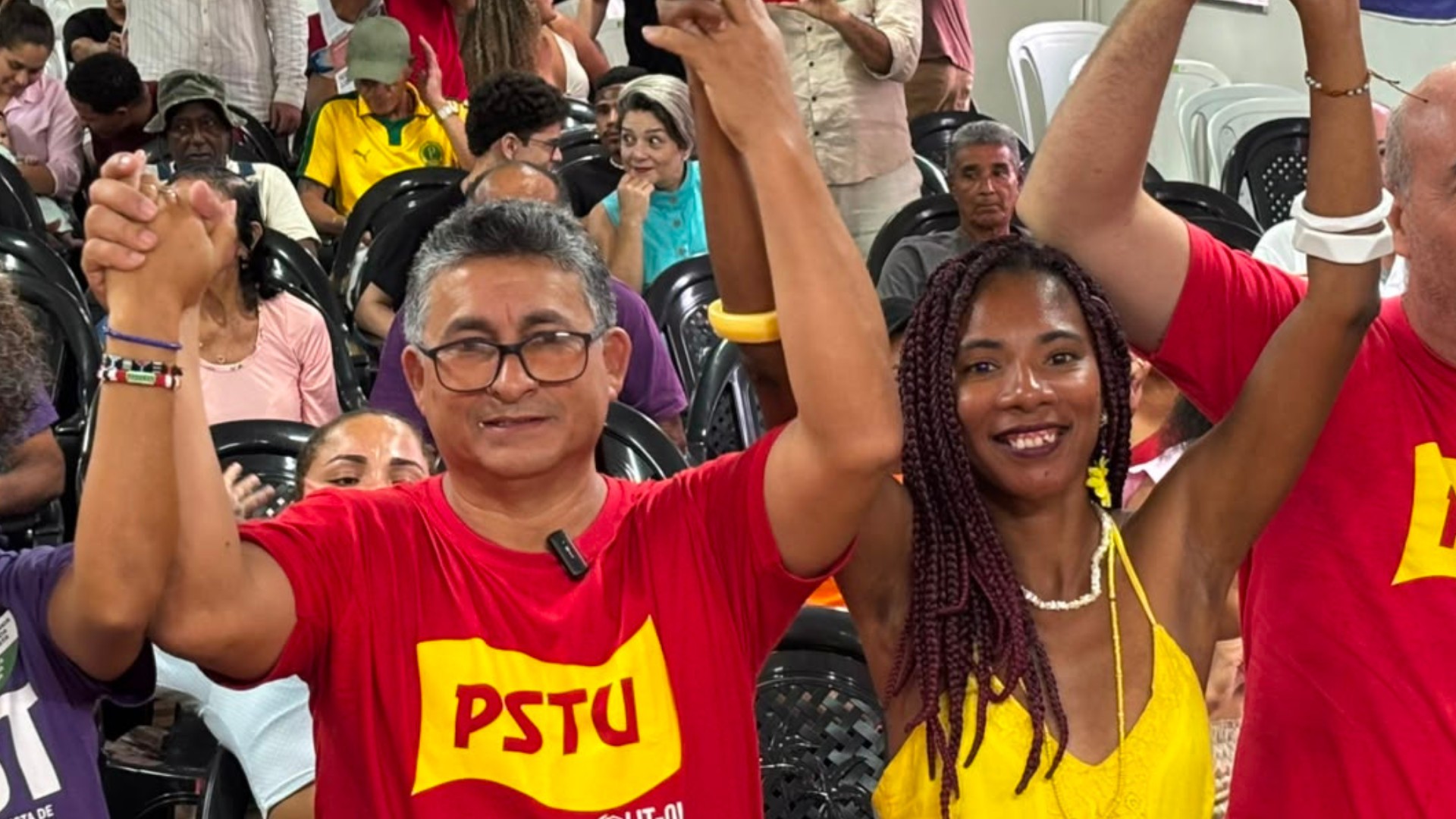
The United Socialist Workers' Party (PSTU) has officially nominated Cleber Rabelo as its candidate for governor of Pará state. The decision was made during a convention held on Saturday, August 1st, at the headquarters of the Civil Construction Workers' Union in Belém. Rabelo, 53, is an electrician, a civil construction worker, and a union leader. Born in Bacuri, Maranhão, he has resided in Pará since 1997, developing his political and union career there. Well Macêdo was approved as the vice-gubernatorial candidate. Rabelo's campaign platform focuses on public security and the nationalization of strategic public services, particularly in the energy sector. He advocates for security policies that respect marginalized communities and for re-statization to reduce inequality and increase investments in health and education. The PSTU also nominated candidates for proportional elections, including two for state deputy and three for federal deputy. The party will not field a candidate for the senate and will not form coalitions in the first round of elections. Rabelo's political background includes serving as a city councilor in Belém from 2013 to 2016, where he focused on workers' rights, public transport, and reducing public official salaries. He has previously run for governor of Pará and mayor of Belém under the PSTU banner. The convention also confirmed that the PSTU will not be forming a coalition with other parties in the first round of the upcoming general elections, which include votes for President, Governor, Senate, Federal Deputy, and State Deputy. The deadline for registering candidates with the Superior Electoral Court (TSE) is August 15th, with the official campaign period beginning on August 16th.
The PSTU's nomination of Cleber Rabelo highlights a strategy focused on appealing to labor and marginalized communities through proposals for public service nationalization and enhanced security for periphery populations. This approach reflects a systemic critique of current economic structures, aiming to redistribute resources and control over essential services. The party's decision to forgo senatorial candidacies and first-round coalitions suggests a commitment to ideological purity or a strategic calculation to consolidate its base rather than engage in broader electoral alliances. Looking ahead, the success of such a platform will likely depend on its ability to mobilize a distinct voter segment and articulate a compelling alternative to established political and economic paradigms within the context of Brazil's evolving governance landscape and the increasing focus on equitable development in the digital age.
AI-generated to prompt reflection — not editorial opinion, not advice, not a statement of fact. How this works.