PSTU Nominates Rejane de Oliveira for Rio Grande do Sul Governor
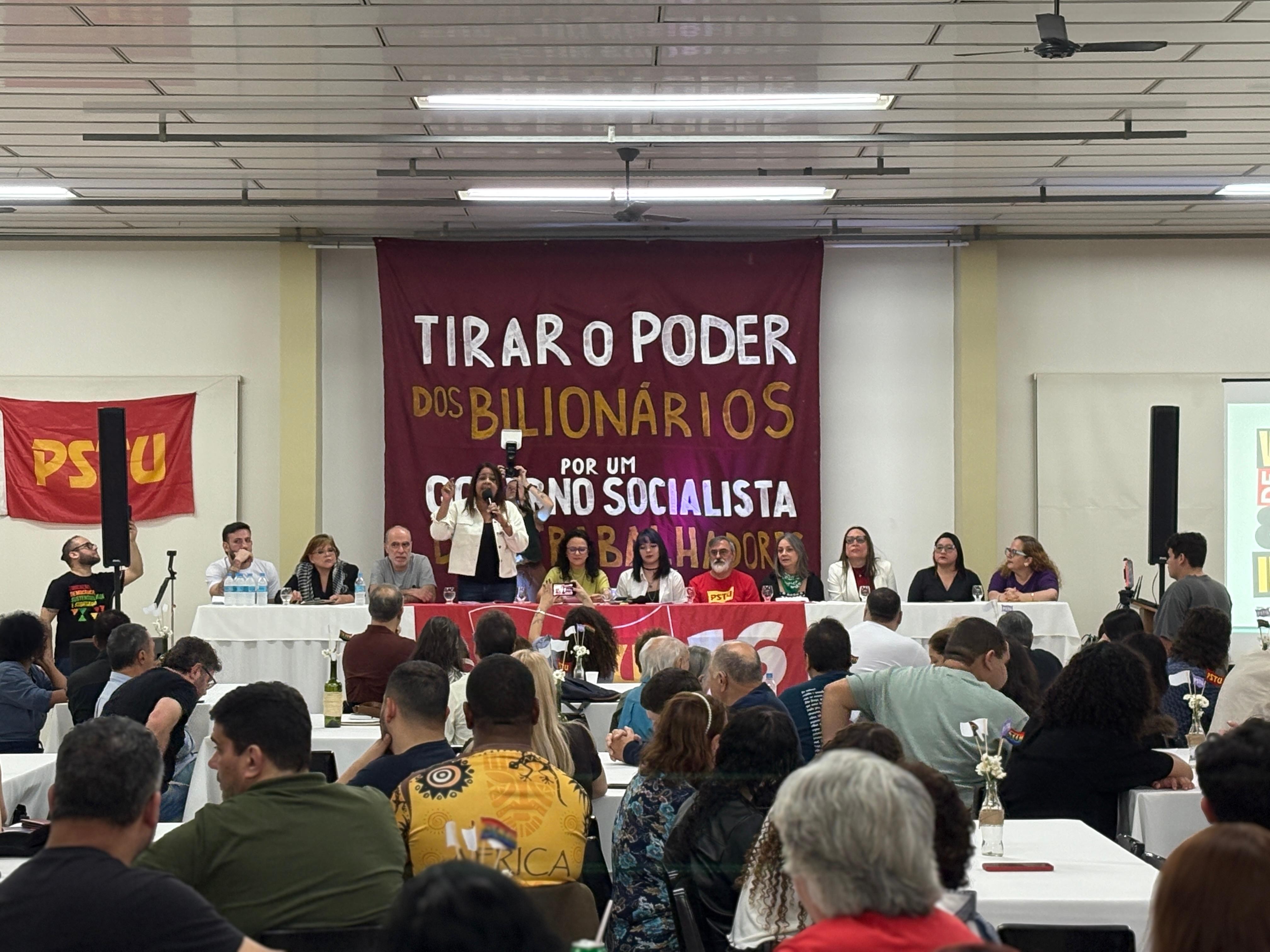
The Workers' Socialist Party (PSTU) has officially nominated Rejane de Oliveira as its candidate for the governorship of Rio Grande do Sul. The decision was formalized during the party's convention held on Saturday, July 1st, in Porto Alegre. De Oliveira, a retired state education network teacher, previously served two terms as president of the Center of State Teachers of Rio Grande do Sul (Cpers-Sindicato). This marks her second bid for the Palácio Piratini, the governor's official residence. The PSTU also approved Adão Lima as the vice-governor candidate, and Daniela Maidana da Silva and Regis Ethur for the Senate. De Oliveira expressed a vision for a government that challenges capitalism by expropriating large corporations that allegedly benefited from tax exemptions and evasion, redirecting these funds towards public services like schools and hospitals. The PSTU will contest the state elections with a "chapa pura," meaning they will not form coalitions with other parties. The convention is part of the electoral process, with candidate nominations due by August 5th and registration with the Superior Electoral Court (TSE) by August 15th. Official campaigning begins on August 16th for the October 4th elections, where Brazilians will vote for president, governors, senators, federal deputies, and state deputies. Rejane de Oliveira, born in Porto Alegre in 1961, also has a history of leadership in the Private Education Teachers' Union (Sinpro) and led strikes during her tenure at Cpers-Sindicato, opposing the administrations of Yeda Crusius and Tarso Genro. She is currently a member of the state and national executives of the CSP Conlutas trade union confederation and joined the PSTU in 2022. Additionally, she is involved in caring for abandoned animals in Porto Alegre.
The PSTU's nomination of Rejane de Oliveira for governor of Rio Grande do Sul highlights a persistent ideological current within Brazilian politics focused on systemic critique of capitalism. De Oliveira's platform, advocating for expropriation of large corporations and redistribution of wealth, represents a radical departure from mainstream political discourse. Her background as a union leader and retired teacher provides a foundation for appealing to specific segments of the electorate concerned with social inequality and public services. The party's decision to run a "chapa pura" signals a commitment to ideological purity over electoral pragmatism, potentially limiting its reach but reinforcing its core message. Looking ahead, such platforms face significant challenges in a globalized economy and a political landscape often influenced by centrist coalitions and market-oriented policies. The long-term viability of these socialist-leaning strategies will depend on their ability to articulate practical solutions to complex economic issues and to mobilize a consistent base of support amidst evolving societal needs and technological advancements.
AI-generated to prompt reflection — not editorial opinion, not advice, not a statement of fact. How this works.