PSTU Nominates Samuel de Mattos for Governor of Paraná
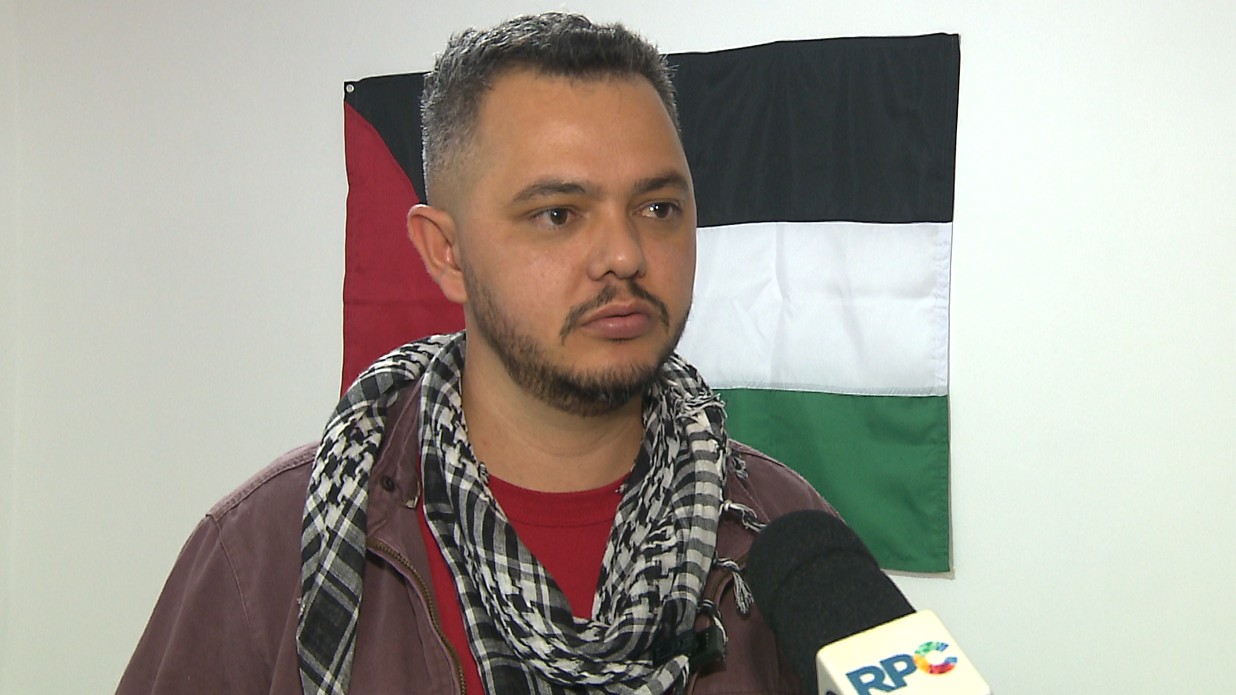
The United Socialist Workers' Party (PSTU) has officially nominated Samuel de Mattos as its candidate for governor of Paraná state in the upcoming elections. The announcement was made on Saturday, August 1st, during the party's convention held in Curitiba. De Mattos, 36, originally from Turvo, Santa Catarina, has a background as a postal worker and currently teaches mathematics at the Colégio Estadual do Paraná. He identifies as a social activist and union militant, having served as a union leader for five years and been active in the PSTU since age 19.
This nomination follows his previous electoral attempts, including a run for vice-mayor of Curitiba in 2020 and a bid for federal deputy in 2022, neither of which resulted in election. In the 2024 elections, he also ran for mayor of Curitiba. The PSTU stated their campaign aims to present a socialist, anti-racist, feminist, and class-conscious alternative to confront the far-right and break from the "class conciliation" politics of the left. They advocate for a Paraná governed by workers, not by the interests of large business owners and agribusiness. Other PSTU candidates announced include Helena Figueiredo for vice-governor, and Bia Brehm and Leonardo Martinez for state deputy. The election calendar indicates that conventions must conclude by August 5th, with candidate registrations due to the Superior Electoral Court (TSE) by August 15th, and the official campaign commencing the following day. Brazilians will vote on October 4th for president, governor, senators, federal deputies, and state deputies.
The PSTU's nomination of Samuel de Mattos reflects a persistent effort by smaller socialist parties to carve out a distinct ideological space within Brazil's political landscape. By framing their campaign as an "alternative" to both the far-right and the "class conciliation" of mainstream left-wing parties, the PSTU seeks to mobilize a base disillusioned with established political options. This strategy, while ideologically consistent, faces significant challenges in a system dominated by larger parties and established power structures. The party's focus on "streets and workplaces" suggests an emphasis on grassroots organizing, aiming to build support from the ground up. Future electoral success for such parties often hinges on their ability to translate ideological appeal into tangible political influence and to navigate the complex dynamics of coalition-building or independent campaigning within a highly competitive environment.
AI-generated to prompt reflection — not editorial opinion, not advice, not a statement of fact. How this works.