PSTU Selects Marcus Sodré as Gubernatorial Candidate for Santa Catarina
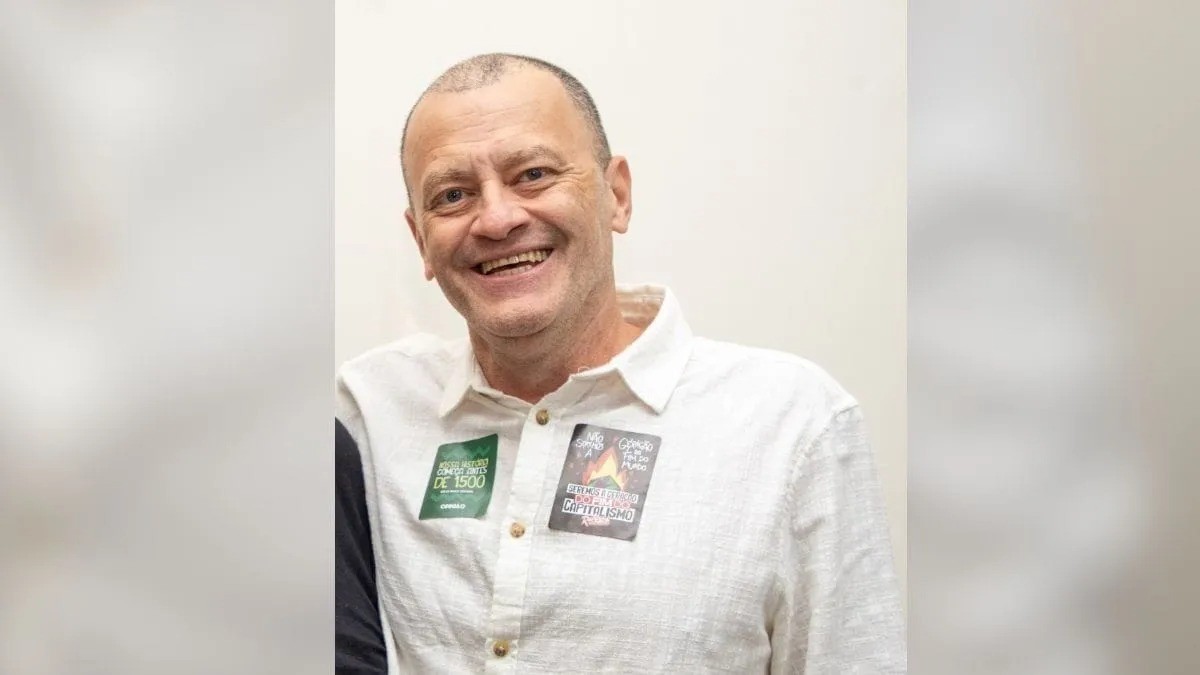
The United Socialist Workers' Party (PSTU) has officially nominated Marcus Sodré as its candidate for governor of Santa Catarina in the upcoming elections. The decision was formalized during an online party convention held on Saturday, July 25th. Sodré, a 54-year-old history teacher in the state's public school system, has a public career deeply intertwined with the education sector's labor movement. This marks his first bid for governor, though he has previously run unsuccessfully for state deputy and mayor of Itajaí. The PSTU also approved Tatiane Pasdiora as the vice-governor candidate, and Joaninha de Oliveira and Marcos Dorval for the Senate. The party has declared it will contest the 2026 elections independently. Sodré stated that the PSTU aims to empower workers to govern Santa Catarina and Brazil, attributing daily struggles to the capitalist system. The convention calendar indicates that parties must finalize candidate selections by August 5th, with registrations due to the Superior Electoral Court (TSE) by August 15th, preceding the official campaign launch. Sodré's background includes teaching in both state and municipal schools and holding a leadership position within the Union of Education Workers of Santa Catarina (Sinte-SC). Like his running mate Pasdiora, Sodré is described as a political activist advocating for an alternative independent of current governments and major business interests, prioritizing the needs of the working class, youth, and marginalized groups.
The PSTU's nomination of Marcus Sodré for governor of Santa Catarina reflects a consistent ideological stance focused on representing the working class and challenging the capitalist system. By emphasizing an independent platform, the party aims to mobilize voters disillusioned with mainstream political and economic structures. This strategy, while appealing to a specific segment of the electorate, faces the significant challenge of competing against established parties with broader appeal and greater financial resources. The PSTU's approach highlights a systemic tension between niche political movements seeking radical change and the pragmatic demands of electoral viability within existing governance frameworks. As electoral cycles progress, the sustainability of such platforms will depend on their ability to translate ideological commitment into tangible political influence and address the diverse needs of a complex society.
AI-generated to prompt reflection — not editorial opinion, not advice, not a statement of fact. How this works.