Psychoanalyst: World Cup 2026's End Evokes Grief-Like Emptiness
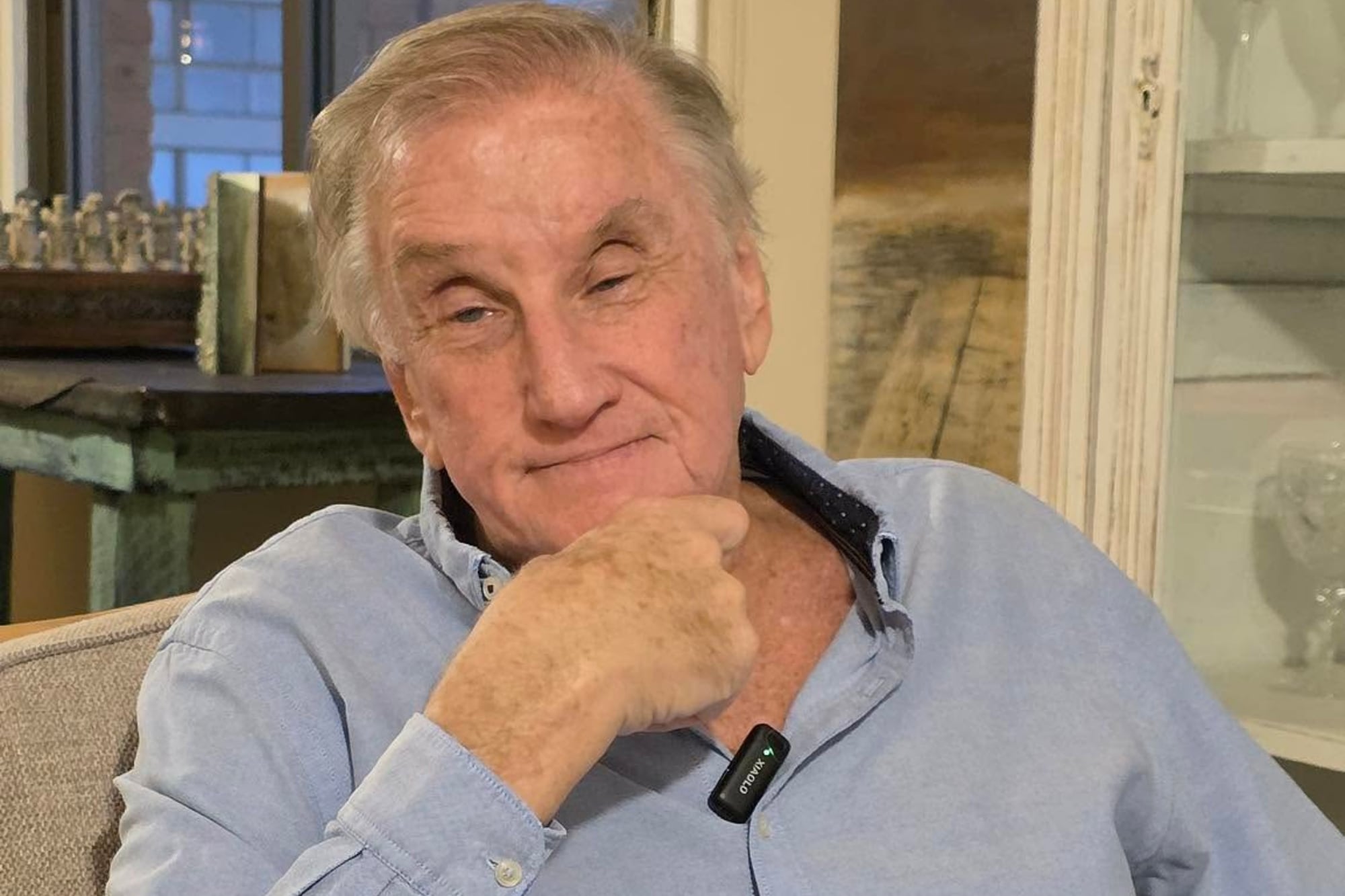
Psychoanalyst José Abadi has drawn a parallel between the end of the 2026 World Cup and the stages of grief. He explained that the conclusion of such a significant global event can trigger a profound sense of emptiness, mirroring the initial difficulty in acknowledging loss experienced during a bereavement. Abadi described this feeling as akin to a "world depopulated," suggesting a loss of connection and shared experience that resonates deeply with individuals. The World Cup, with its widespread engagement and collective emotional investment, creates a unique social phenomenon that, upon its cessation, leaves a void. This void is characterized by an initial resistance to accepting the event's end, followed by a pervasive feeling of desolation. Abadi's insights highlight the psychological impact of large-scale, shared cultural experiences and their abrupt conclusions.
The conclusion of major global events like the World Cup can indeed create a significant psychological impact, often amplified by the intense communal engagement they foster. This phenomenon highlights the human need for shared narratives and collective experiences, particularly in an era where digital connections can sometimes feel superficial. As societies increasingly rely on such large-scale events for social cohesion and emotional release, their endings present a recurring challenge for individual and collective well-being. Understanding these psychological dynamics is crucial for anticipating and mitigating potential societal anxieties that may arise from the cessation of highly anticipated, unifying events in the coming decade.
AI-generated to prompt reflection — not editorial opinion, not advice, not a statement of fact. How this works.