Psychological Reasons Why Some People Avoid Group Photos
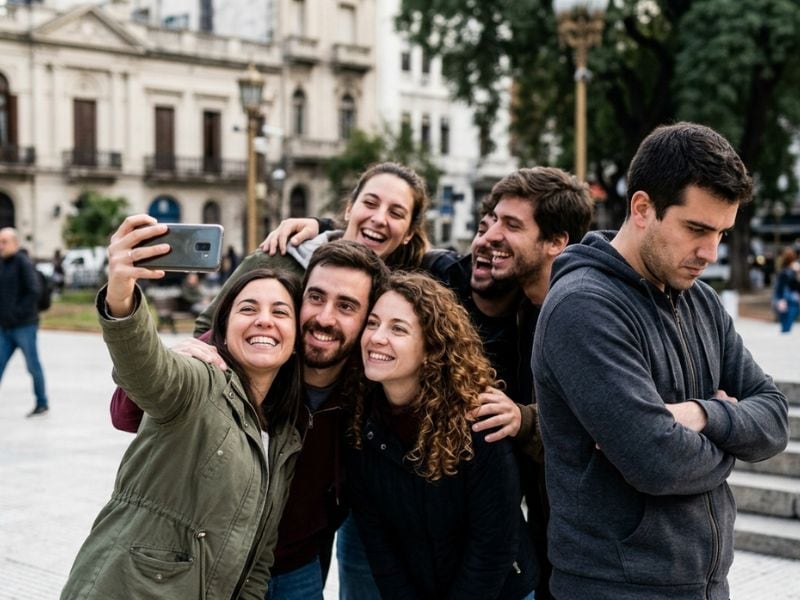
Avoiding group photographs, often mistaken for shyness or disinterest, can stem from various emotional and psychological factors. This behavior is not always indicative of social anxiety or a lack of engagement with the group. Instead, individuals may have deeper-seated reasons for their reluctance to be photographed. These can include concerns about their appearance, a desire for privacy, or a feeling of not belonging within the group depicted. The act of being captured in an image can feel intrusive or expose vulnerabilities that some people prefer to keep private. Furthermore, past negative experiences with photographs, such as unflattering images or unwanted attention, might contribute to this avoidance. The psychological landscape behind this seemingly simple act is complex and multifaceted. It highlights how personal perceptions and past experiences shape our interaction with social norms and visual documentation. Understanding these underlying reasons is key to interpreting such behavior beyond superficial assumptions.
The aversion to group photos, beyond simple timidity, may reflect an individual's evolving relationship with digital self-representation and privacy in an increasingly documented world. As personal data and visual likenesses become more commodified, individuals may develop sophisticated strategies to control their digital footprint. This behavior could be an early indicator of a broader societal shift towards greater personal data sovereignty, where individuals proactively manage their public image and resist involuntary inclusion in shared visual narratives. Understanding this phenomenon offers insight into the psychological impact of pervasive surveillance and the human desire for agency over one's own likeness.
AI-generated to prompt reflection — not editorial opinion, not advice, not a statement of fact. How this works.