Psychologist and Single Mother by Donation: "Children Need Care and Love, Not Necessarily a Mom and Dad"
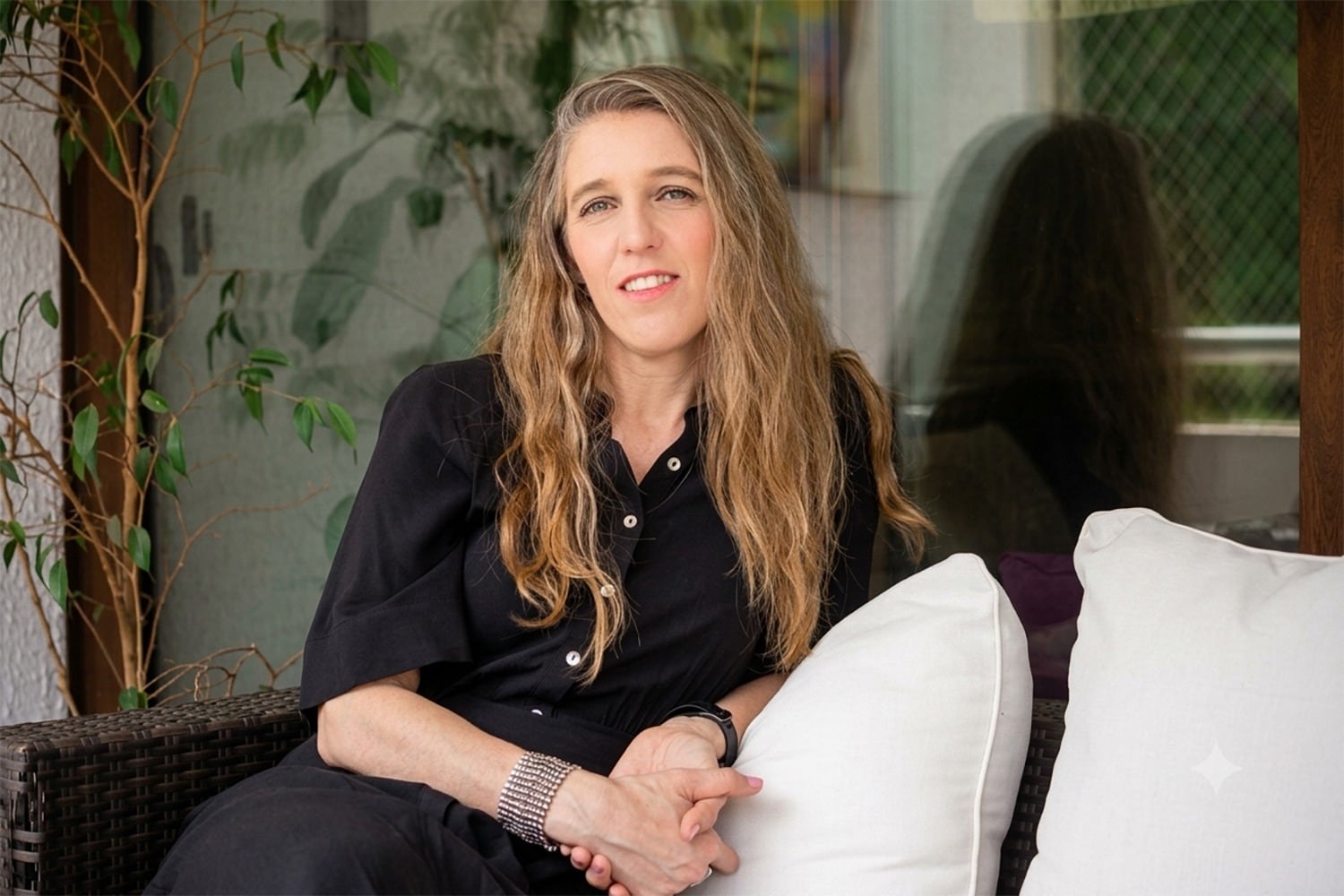
María Rosa García, a psychologist and single mother who conceived through sperm donation, asserts that children primarily require care and love, rather than a traditional mother and father pairing. This perspective emerges from a discussion about the psychological aspects of single motherhood by donation, following a previous legal consultation on assisted reproduction treatments for women using sperm donors. García's insights aim to explore the emotional and psychological landscape for these families beyond legal considerations. The interview delves into the experiences and realities faced by women who choose this path to parenthood. It highlights the importance of a nurturing environment and emotional support for a child's development. The discussion emphasizes that the quality of care and love provided is more crucial than the specific family structure. This approach challenges traditional notions of family formation and parenting. The conversation seeks to offer a broader understanding of diverse family dynamics.
This perspective challenges traditional family structures by emphasizing the primacy of a child's emotional needs – care and love – over the specific parental configuration. From a psychological standpoint, this aligns with attachment theory, which posits that secure relationships are foundational for development, regardless of the number or gender of caregivers. However, societal norms and legal frameworks often lag behind evolving family models, potentially creating challenges for single-parent or non-traditional families. Future considerations may involve adapting support systems and legal recognition to ensure equitable environments for all children, irrespective of their family's origin. The long-term impact of diverse family structures on child well-being continues to be a subject of ongoing research and societal evolution.
AI-generated to prompt reflection — not editorial opinion, not advice, not a statement of fact. How this works.