Psychologist David Szél: Child sleep is more luck than strategy
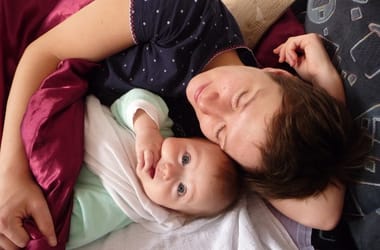
Practicing psychologist David Szél asserts that successfully getting a child to sleep is less about parental strategy and more about luck. In his book, 'Apapara,' Szél, who is also a psychologist, suggests that individuals who believe they have mastered the art of putting a child to sleep are either bluffing or naive. He argues that the process is largely unpredictable and influenced by factors beyond a parent's direct control. This perspective challenges common assumptions about parenting techniques and sleep training. Szél's insights are presented as an excerpt from his published work, offering a candid view on a common parenting challenge. The psychologist's advice implies that parents should manage their expectations regarding sleep routines. His work aims to provide a more realistic understanding of child sleep patterns.
This perspective on child sleep suggests a re-evaluation of parental efficacy metrics. By framing successful sleep as predominantly luck-based, the analysis shifts focus from potential parental 'failures' to the inherent variability in infant development and external influences. This framing can alleviate undue stress on caregivers, promoting a more accepting approach to sleep challenges. From a systems perspective, it highlights the complex interplay of biological rhythms, environmental factors, and individual temperaments, which are not fully controllable by any single strategy. Over the next decade, as understanding of neurodevelopment and sleep science deepens, such insights could inform more nuanced support systems for families, moving beyond prescriptive advice towards adaptive strategies that acknowledge inherent unpredictability.
AI-generated to prompt reflection — not editorial opinion, not advice, not a statement of fact. How this works.