Psychologist Explains Why People Hold Onto Past Possessions
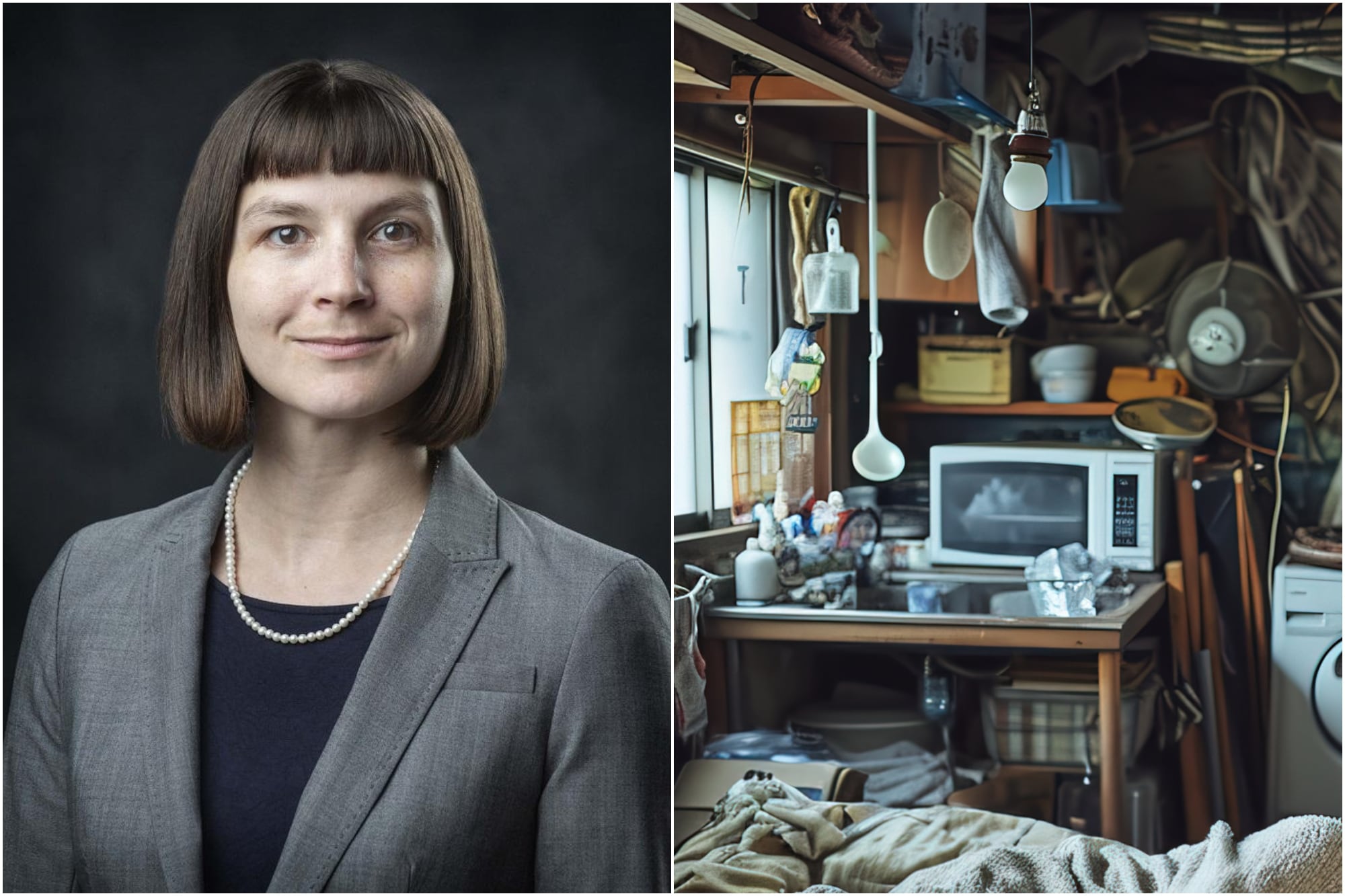
Mary Dozier, a psychologist specializing in hoarding, offers insights into the difficulty people face when trying to discard possessions. She explains that the tendency to keep items from our past stems from the sense of identity and origin they provide. These objects serve as tangible links to our history, offering a feeling of connection to where we come from. Dozier's expertise lies in understanding the psychological underpinnings of accumulation and the emotional attachments individuals form with their belongings. Her work aims to shed light on the complex relationship between personal history and material possessions. The core issue, according to Dozier, is not simply owning things, but the emotional weight and meaning attached to them. This perspective highlights the psychological significance of objects in shaping our sense of self and belonging. Understanding these motivations is crucial for addressing issues related to hoarding and decluttering.
The psychological drive to retain possessions, as explained by Dr. Dozier, highlights a fundamental human need for continuity and identity. In an era increasingly defined by digital ephemera and rapid consumption, the tangible connection to past experiences offered by physical objects becomes more pronounced. This phenomenon raises questions about how societal values, which often emphasize disposability and newness, might conflict with deeply ingrained psychological needs. Future considerations may involve developing strategies that honor personal history without necessitating excessive material accumulation, potentially through digital archiving or curated symbolic representation. Understanding this tension between personal narrative and societal trends is key to navigating evolving consumption patterns and their impact on well-being.
AI-generated to prompt reflection — not editorial opinion, not advice, not a statement of fact. How this works.