Psychologist Gabriel Rolón: "The worst possible sentence is to be forgotten; there is no other death than oblivion."
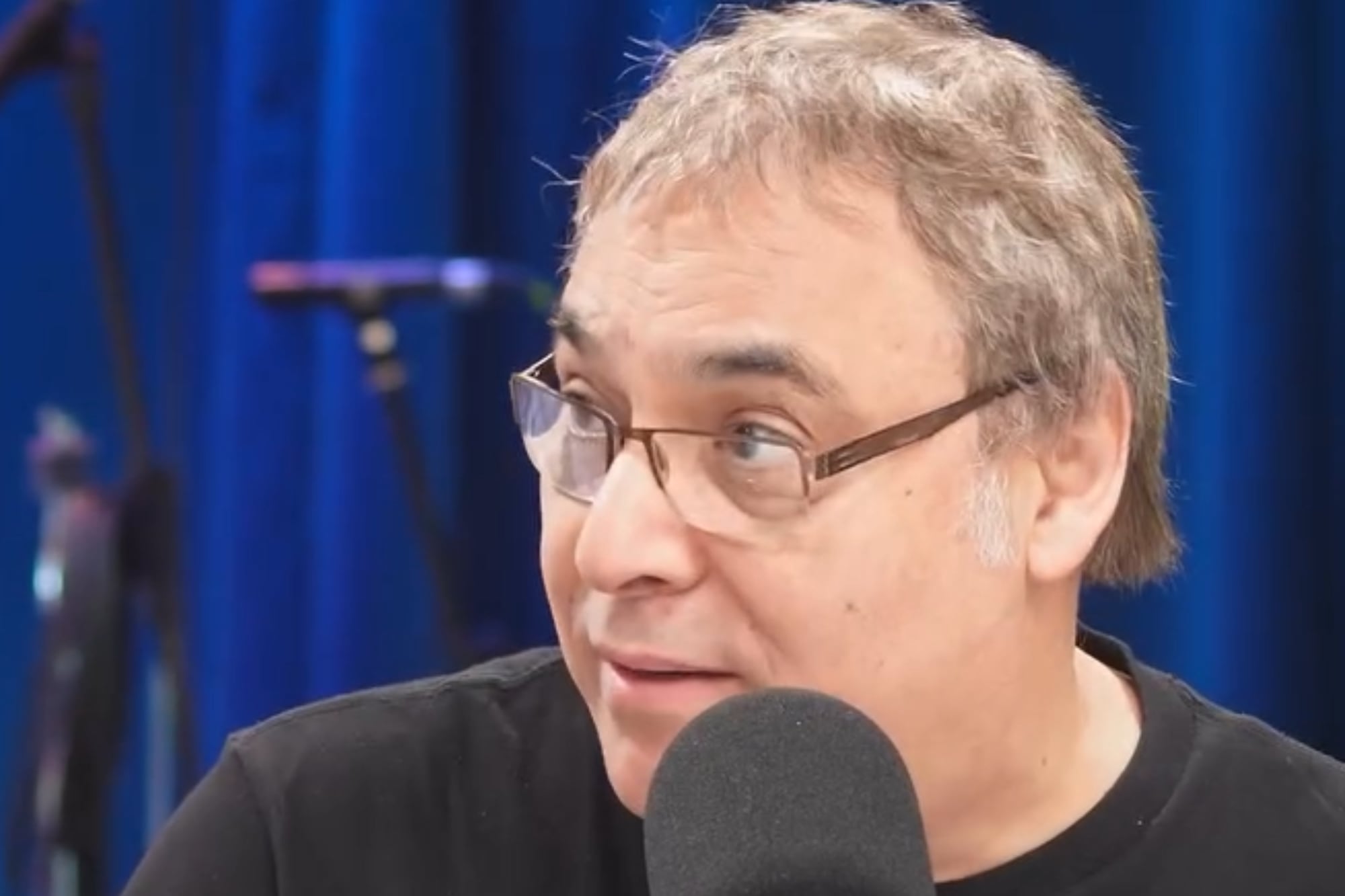
Renowned psychologist and writer Gabriel Rolón has spoken out against societal mandates, offering a perspective on finitude and desire. He posits that the ultimate form of demise is not physical death, but rather the complete erasure of one's memory and existence from the minds of others. This concept of being forgotten, Rolón argues, represents the most profound and devastating sentence one could face. His reflections touch upon the human need for remembrance and the existential weight of oblivion. Rolón's work often delves into the complexities of the human psyche, exploring themes of love, desire, and the search for meaning in life. His latest commentary encourages a deeper consideration of legacy and the impact individuals have on the world. The psychologist's views highlight the enduring power of memory and the fear of complete disappearance. He suggests that societal pressures often dictate how individuals should live, but ultimately, the fear of being forgotten is a more fundamental human concern.
This statement frames oblivion as the ultimate existential threat, potentially influencing individual motivations towards seeking recognition and leaving a lasting impact. The psychological incentive structure here suggests that a fear of being forgotten can drive individuals to pursue legacy-building activities, which may align with or diverge from societal expectations. In an era increasingly shaped by digital footprints and the potential for perpetual online presence, Rolón's perspective prompts reflection on the evolving nature of remembrance and oblivion. It raises questions about the societal value placed on individual memory versus collective progress and the potential for technology to both exacerbate and mitigate the fear of being forgotten.
AI-generated to prompt reflection — not editorial opinion, not advice, not a statement of fact. How this works.