Psychologist: We demand perfect emotional regulation from families, a skill often not taught
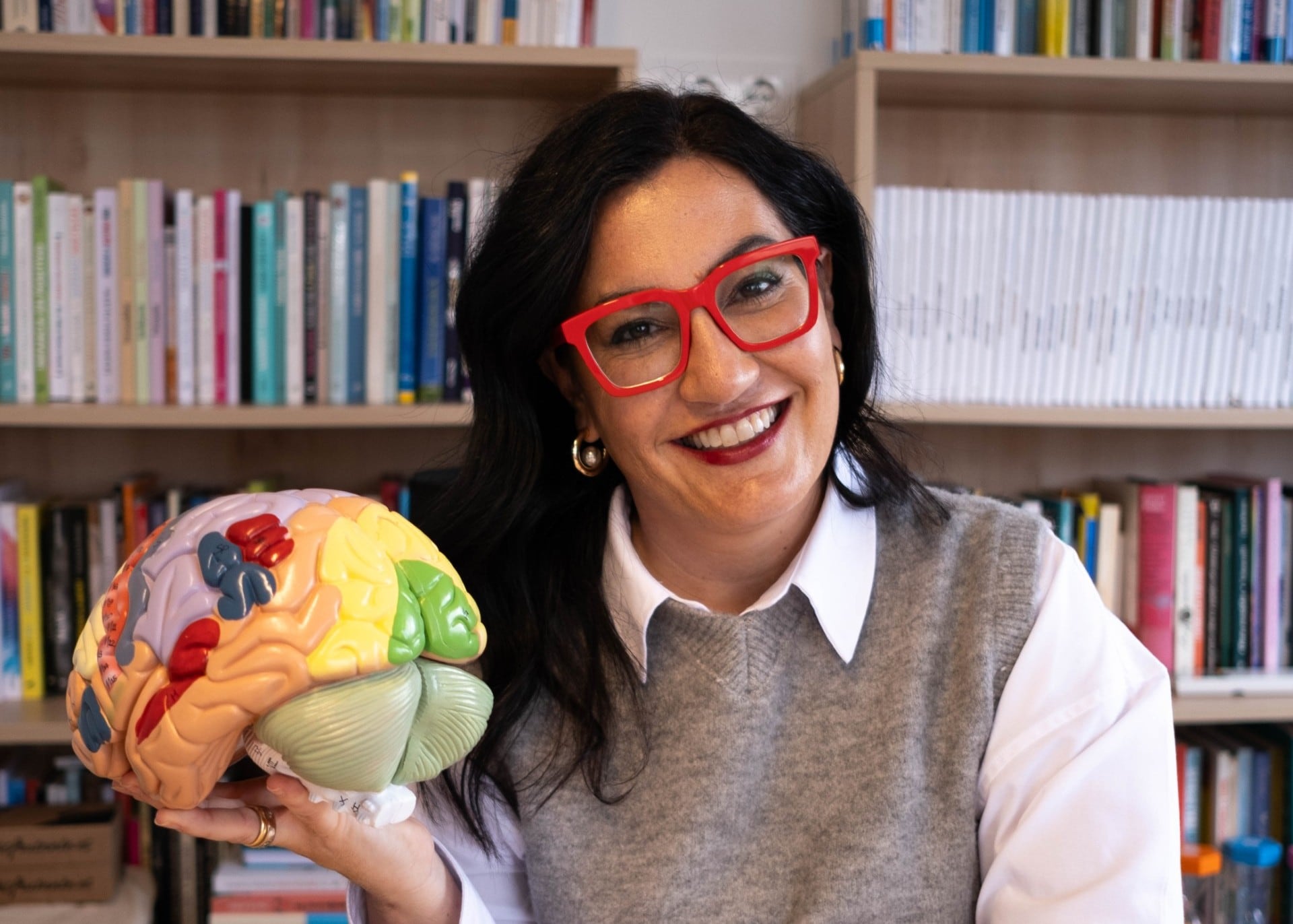
Dr. Ana Asensio, a neuroscientist and psychologist, states that children are not inherently more difficult but are growing up in a faster-paced environment. She highlights that parents are often expected to provide perfect emotional regulation for their children, a skill they themselves may not have been taught during their own upbringing. Asensio emphasizes that establishing boundaries without a strong emotional connection can lead to obedience driven by fear rather than understanding or genuine cooperation. This approach, she suggests, is counterproductive for healthy child development and family dynamics. The core issue, therefore, lies not with the children's behavior but with the societal and familial environments they are navigating. She advocates for a more empathetic and education-focused approach to emotional development within families. This involves understanding the pressures families face and equipping parents with the tools to foster emotional intelligence in both themselves and their children. Ultimately, Asensio's perspective calls for a reevaluation of expectations placed on families regarding emotional management.
The statement by Dr. Ana Asensio points to a potential systemic disconnect in how emotional regulation is expected and taught within families. The analysis suggests that societal pressures may be creating unrealistic expectations for parents, who are themselves products of potentially similar educational gaps in emotional intelligence. This creates a cycle where emotional regulation skills are not effectively transmitted across generations. The emphasis on 'obedience by fear' versus ' vínculo' (connection) highlights a critical trade-off in parenting and educational philosophies. Moving forward, a societal shift may be needed to prioritize the teaching of emotional intelligence skills from early childhood education through to adult learning programs. This could involve developing more accessible resources and support systems for parents, fostering environments where emotional vulnerability is accepted, and reframing disciplinary approaches to focus on understanding and self-regulation rather than mere compliance. The long-term implications involve the potential for improved mental health outcomes and more resilient family structures in an increasingly complex world.
AI-generated to prompt reflection — not editorial opinion, not advice, not a statement of fact. How this works.