Psychologists Explain Why Some People Change When Driving
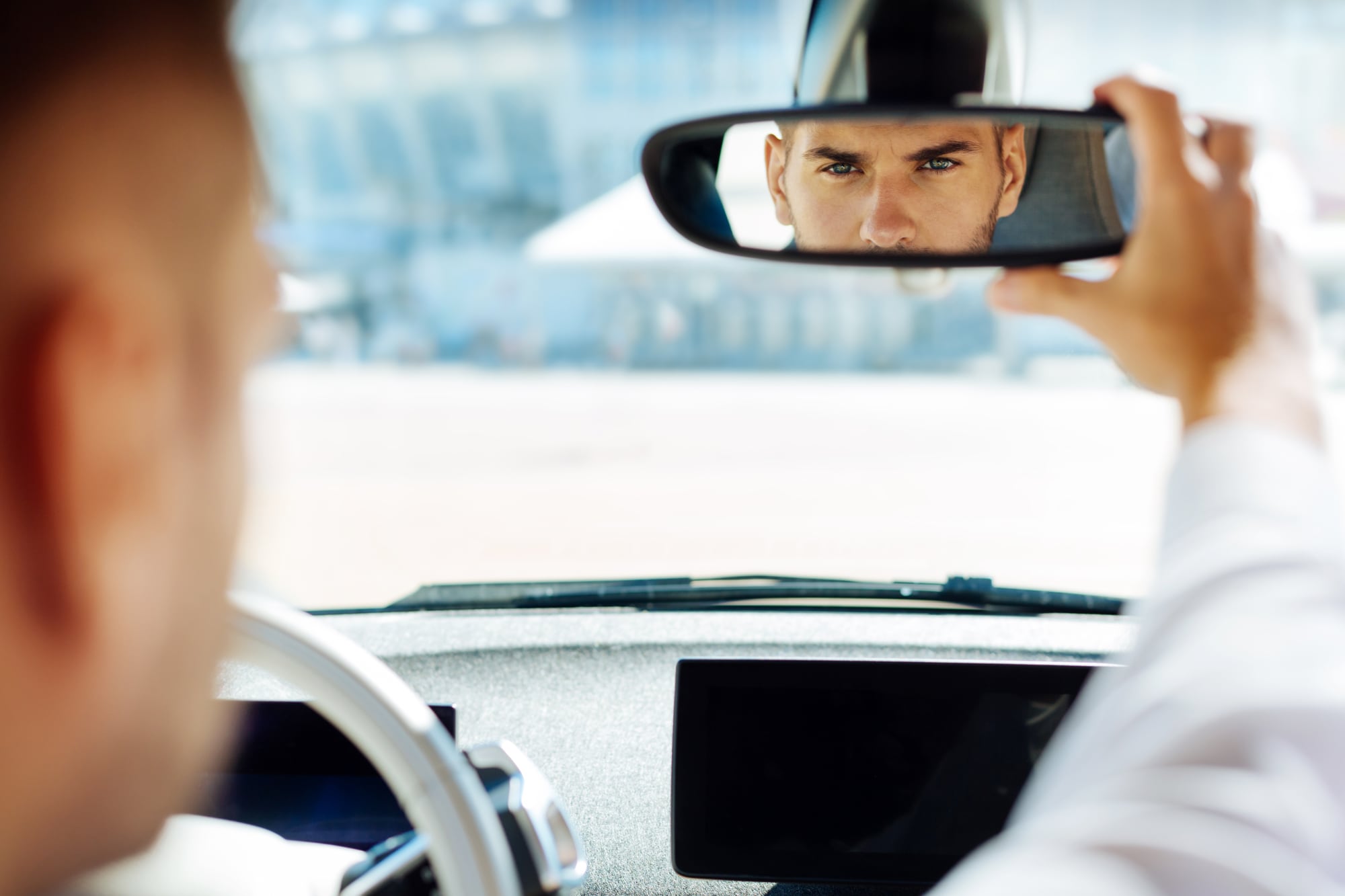
Experts in psychology have identified several factors that contribute to the phenomenon of road rage, where individuals exhibit aggressive or angry behavior while driving. According to these experts, the anonymity provided by being inside a vehicle plays a significant role. This anonymity can lower inhibitions, making people feel less accountable for their actions.
Another key factor is territoriality. Drivers often perceive their vehicle and immediate surroundings as a personal space, leading to defensive and aggressive reactions when they feel this space is encroached upon. Furthermore, the reduced face-to-face interaction in traffic situations diminishes the social cues and empathy that typically regulate behavior in person. This lack of direct social feedback can amplify feelings of anger and frustration, leading to outbursts that might not occur in other social contexts. These elements combine to create an environment where aggressive driving behaviors can emerge and escalate.
The psychological dynamics of driving suggest that the unique environment of a vehicle can alter individual behavior by reducing social accountability and fostering a sense of personal territory. This phenomenon highlights a potential disconnect between an individual's public persona and their behavior in a context offering anonymity. Understanding these factors is crucial for developing strategies to mitigate aggressive driving, potentially through public awareness campaigns or improved traffic management systems that encourage more considerate interactions. Future considerations might involve exploring how technological advancements, such as in-car communication systems or advanced driver-assistance features, could influence driver psychology and behavior over the next decade.
AI-generated to prompt reflection — not editorial opinion, not advice, not a statement of fact. How this works.
