Psychology Experts Explain Why Driving Aggression is So Prevalent
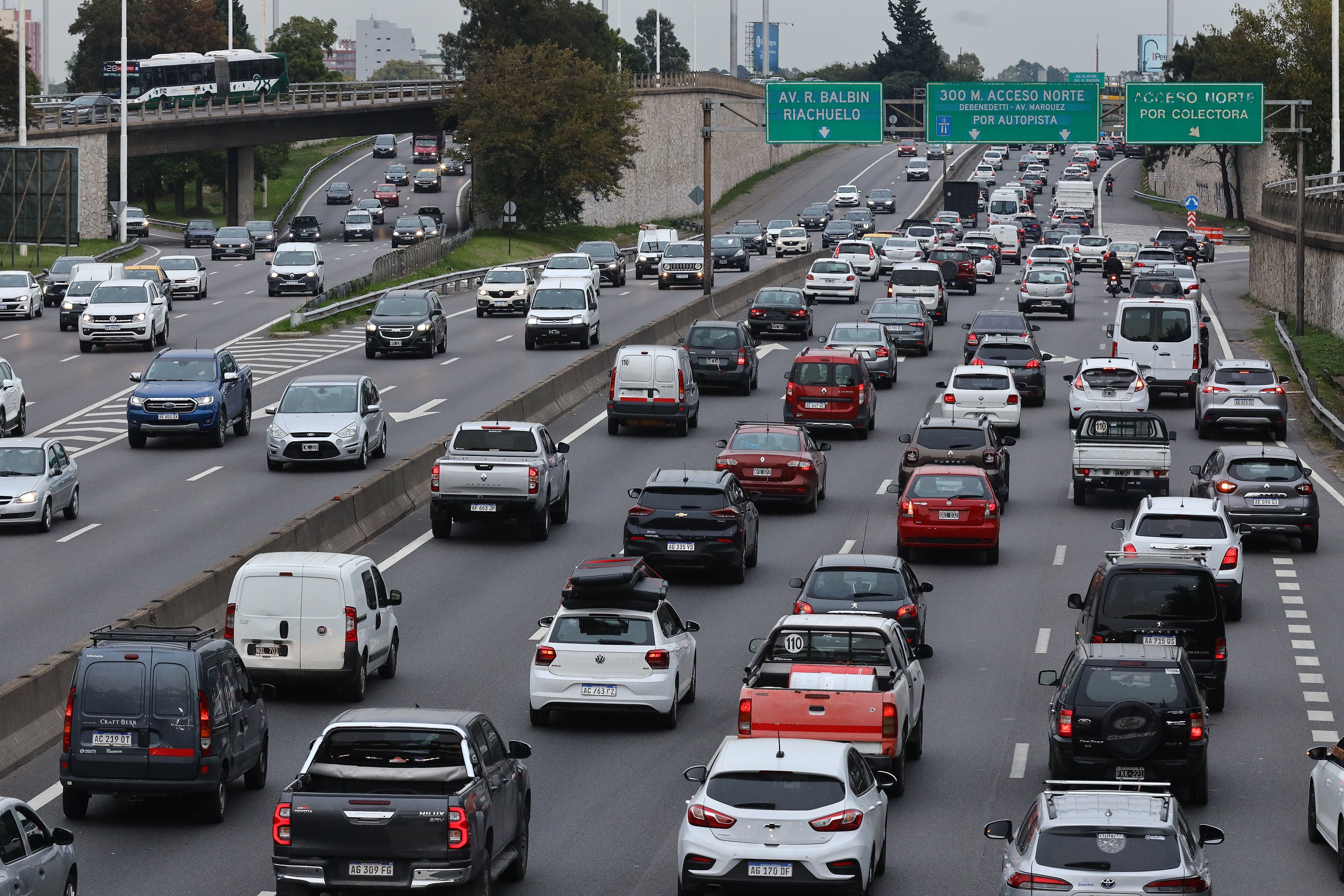
Experts in psychology are shedding light on the root causes of aggressive behavior experienced during driving. They identify several key factors that contribute to this phenomenon. A primary driver is the perceived loss of control that individuals experience when navigating traffic, which can lead to frustration and heightened emotional responses. Additionally, drivers often perceive threats from other road users, whether real or imagined, triggering defensive and aggressive reactions. The intention to punish other drivers for perceived infractions or bad behavior also plays a significant role in fueling road rage. This punitive mindset can escalate conflicts and lead to dangerous driving practices. Understanding these psychological underpinnings is crucial for developing strategies to mitigate aggressive driving and promote safer roads for everyone. The experts suggest that acknowledging these triggers is the first step towards managing one's own reactions and fostering a more patient and considerate driving environment.
The prevalence of driving aggression highlights a societal challenge in managing frustration and perceived threats within shared public spaces. The psychological factors identified—loss of control, perceived threats, and punitive intentions—suggest a disconnect between individual expectations and the realities of collective transit. This dynamic may be exacerbated by modern commuting pressures and the anonymity afforded by enclosed vehicles. Addressing this issue requires a multi-faceted approach, potentially involving public awareness campaigns on emotional regulation, urban planning that prioritizes smoother traffic flow, and technological solutions that reduce driver stress. Over the next decade, as autonomous driving technology evolves, the nature of driver control and perceived threat may shift, potentially altering the landscape of road aggression, though new forms of conflict could emerge related to system interaction and human oversight.
AI-generated to prompt reflection — not editorial opinion, not advice, not a statement of fact. How this works.