Psychology Explains Why Some People Prefer Watching Soccer Games Alone
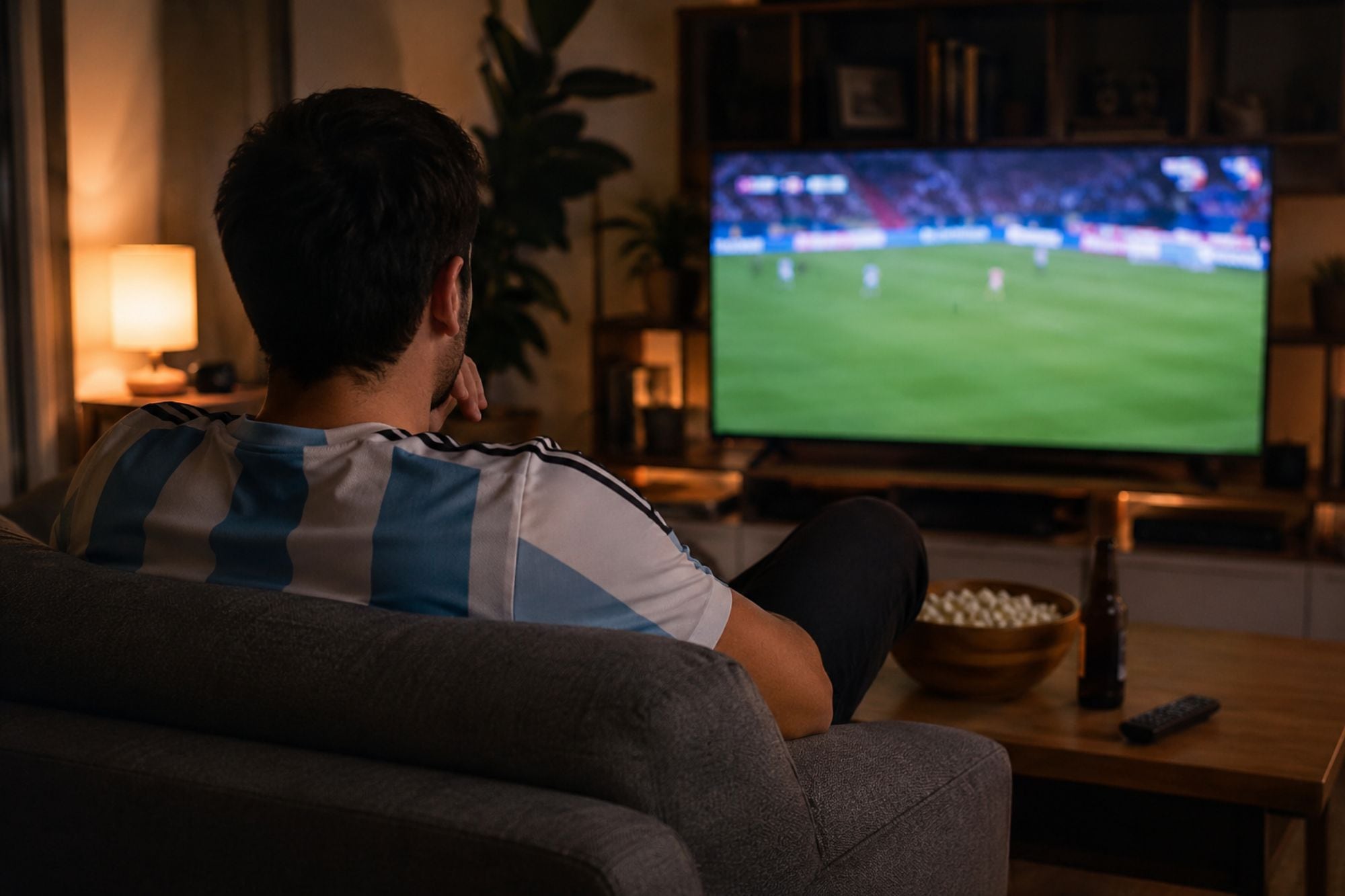
A recent study delved into the diverse motivations that drive individuals to consume sports events, specifically exploring why some prefer to watch soccer matches in solitude. The research aimed to understand the psychological underpinnings of solitary sports viewership, moving beyond the common perception of collective fan experiences. It examined various factors that might lead individuals to opt out of group viewing settings, such as social gatherings or sports bars. The study considered aspects like personal focus, emotional regulation, and the desire for an uninterrupted viewing experience. It also investigated whether individual personality traits play a role in this preference. The findings offer insights into the spectrum of fan engagement and the personal choices individuals make regarding their leisure activities. Understanding these motivations can provide a more nuanced view of sports consumption in general.
This study highlights a divergence in fan engagement, suggesting that the collective experience of watching sports is not universally preferred. It prompts consideration of individual psychological needs, such as the desire for control over the viewing environment and emotional responses to the game. In an era increasingly shaped by personalized digital experiences, this preference for solitary consumption aligns with broader technological trends. Understanding these individual motivations is crucial for sports organizations and broadcasters seeking to cater to diverse audience segments. Future analysis could explore how digital platforms can better serve both communal and individualistic viewing preferences, potentially through customizable viewing options or enhanced solo-engagement features.
AI-generated to prompt reflection — not editorial opinion, not advice, not a statement of fact. How this works.