Psychology: Giving up your bus seat may be about empathy and self-enhancement
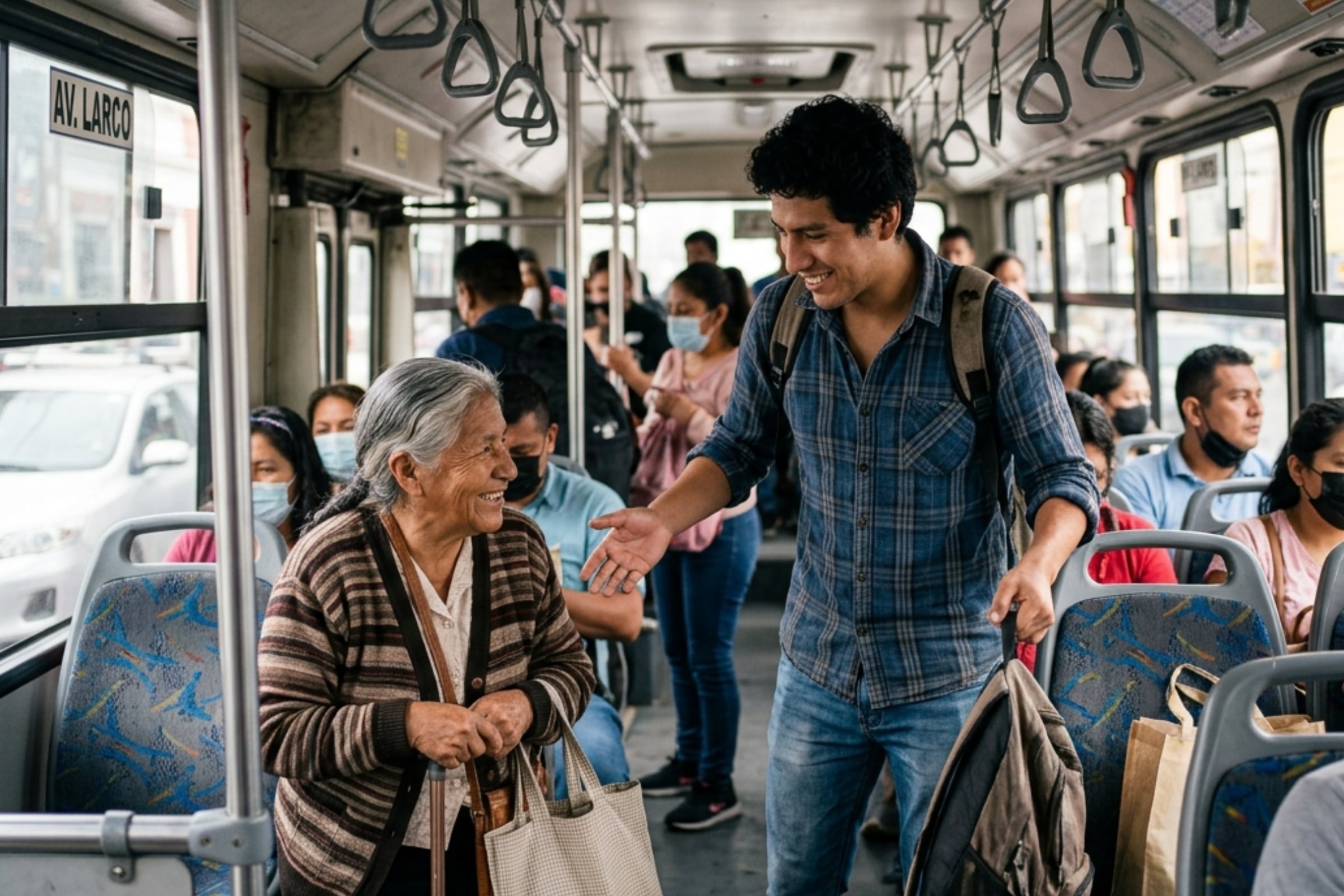
Psychological research suggests that individuals who offer their seats to others on public transportation often do so not only out of empathy but also as a way to improve their own self-perception. This behavior, while seemingly altruistic, can be influenced by a desire to feel good about oneself and to project a positive image. The act of yielding a seat can trigger positive emotions and reinforce a sense of personal virtue. This self-enhancement motive can coexist with genuine empathy, making the decision to give up a seat a complex interplay of external consideration and internal reward. Understanding this dynamic offers insight into the motivations behind everyday acts of kindness.
The psychological explanation for offering a seat on public transport highlights a common human tendency to seek both social approval and internal self-validation. While empathy is a key driver, the research suggests an additional layer of self-benefit, where performing a prosocial act can enhance one's own mood and self-esteem. This perspective encourages a nuanced view of altruism, acknowledging that even seemingly selfless actions can be motivated by a desire for personal psychological reward. Understanding these underlying incentives can inform how we design social interactions and interventions, potentially fostering more genuine and sustainable prosocial behaviors by aligning individual benefits with collective well-being.
AI-generated to prompt reflection — not editorial opinion, not advice, not a statement of fact. How this works.