Psychology suggests ordering the same meal indicates a need for control and fear of risk
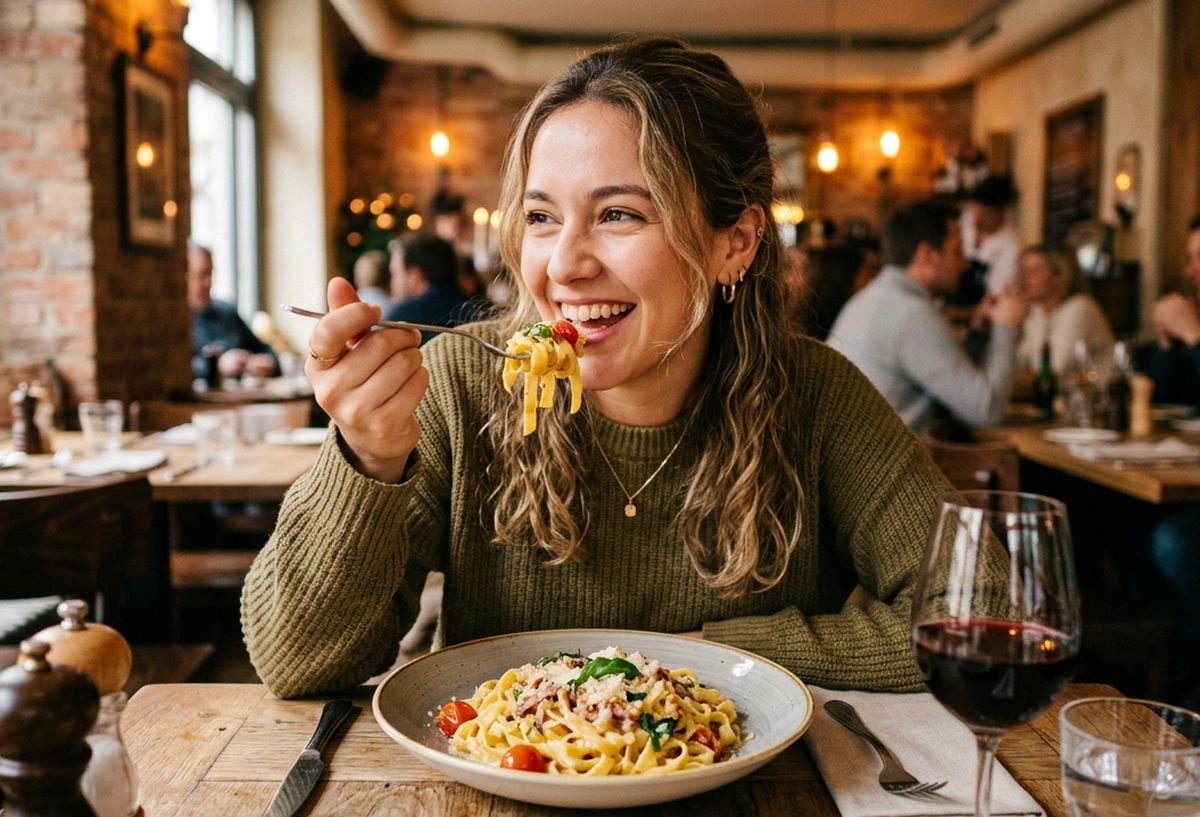
Psychological research indicates that individuals who consistently order the same food at restaurants may be driven by a need for control and an aversion to risk. This behavior, observed in people who have chosen the same dish, such as a specific pasta or hamburger, for years, suggests a preference for predictability and familiarity. The consistency in food choice can be interpreted as a coping mechanism to manage uncertainty in other aspects of life. By selecting a known and trusted option, individuals can reduce cognitive load and avoid potential disappointment associated with trying something new. This phenomenon highlights how seemingly small daily decisions can reflect deeper psychological tendencies related to security and stability.
The psychological tendency to repeatedly order the same meal reflects a common human inclination towards predictability and risk aversion. In an environment of increasing complexity and rapid change, individuals may seek out small, controllable elements of their daily lives to establish a sense of order and security. This behavior, while seemingly trivial, can be viewed through the lens of decision-making under uncertainty. The choice to opt for the familiar over the novel minimizes potential negative outcomes, thereby reinforcing a sense of safety. Understanding this dynamic offers insight into how individuals navigate perceived threats and manage cognitive load, particularly as societal and technological landscapes continue to evolve, presenting new forms of uncertainty.
AI-generated to prompt reflection — not editorial opinion, not advice, not a statement of fact. How this works.