PT Files TSE Complaint Against Flávio Bolsonaro Over AI-Generated Attacks on Lula
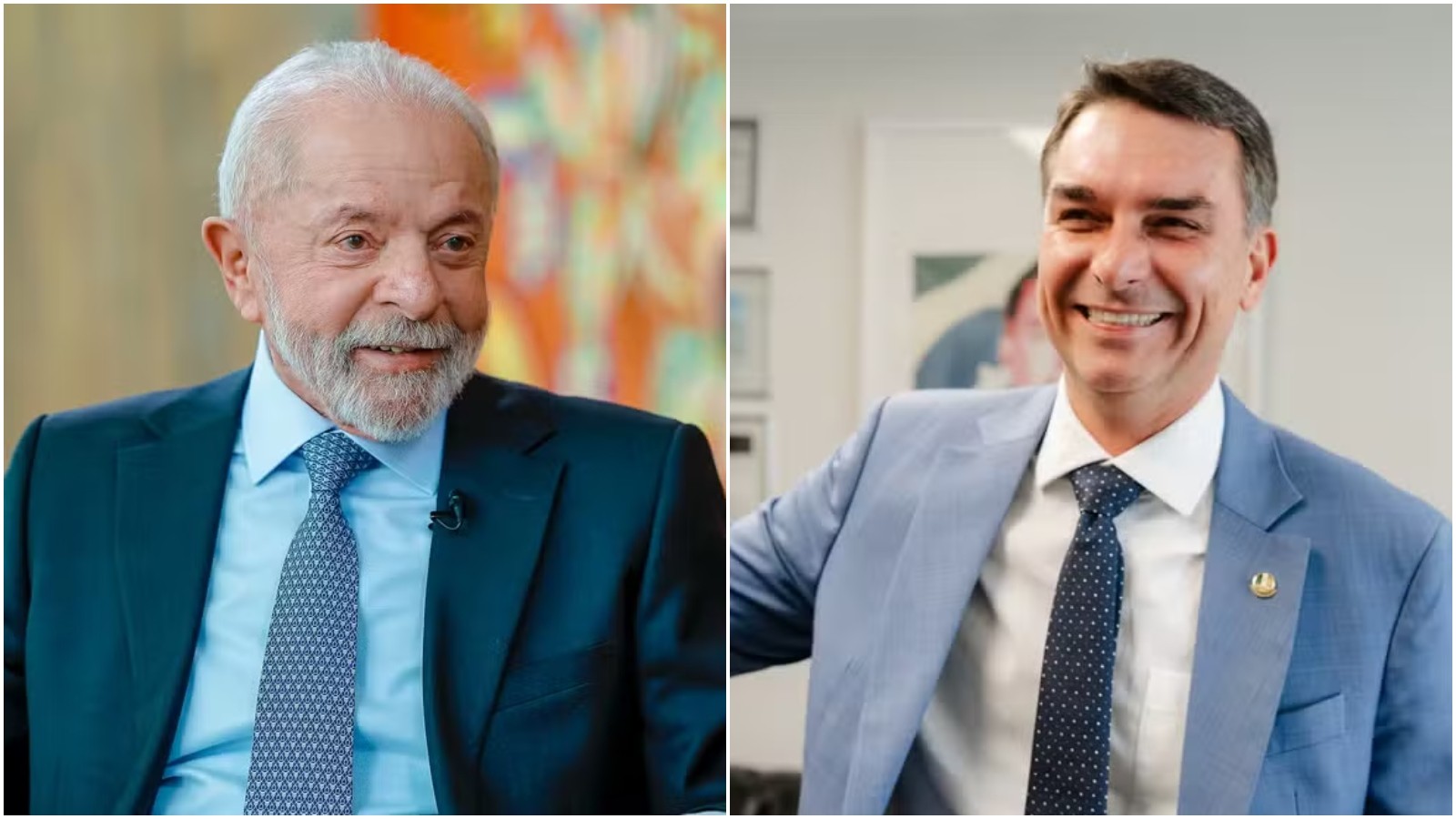
Brazil's Workers' Party (PT) has filed a complaint with the Superior Electoral Court (TSE) against presidential pre-candidate Flávio Bolsonaro. The PT alleges that Bolsonaro has amplified a network of anonymous or pseudonymous social media profiles that attack President Lula using artificial intelligence. The party is seeking to hold Bolsonaro accountable for these actions and is requesting individual fines for the politicians involved. The complaint was assigned to TSE Minister Kassio Nunes Marques as the rapporteur. The PT claims this network includes Léo Índio, a cousin of former President Jair Bolsonaro's sons, and is supported by federal deputies Mário Frias, Gustavo Gayer, and Gilvan da Federal, as well as André Marinho, a pre-candidate for governor of Rio de Janeiro. The filing was made by the Brasil da Esperança Federation, which comprises the PT, PCdoB, and PV parties. The PT reported to the TSE that the anti-Lula campaign involves 31 identified profiles across collaborative publications, amassing 1,464,245 followers, with 23,828 publications monitored. The party highlighted that the potential reach exceeds 10 million followers when considering the audience of public figures who share the content. The PT argues that the coordinated nature of these amplified narratives, repeated in slightly varied formats, cumulatively creates a false perception of widespread rejection of Lula, rather than reflecting spontaneous public opinion.
This complaint highlights the growing challenge of combating coordinated disinformation campaigns amplified by artificial intelligence in electoral processes. The PT's action focuses on the alleged amplification of anonymous profiles by a political figure, suggesting a deliberate strategy to manipulate public perception through volume and repetition. The core issue revolves around the systemic impact of such operations on electoral integrity, where artificially generated narratives can distort public discourse and create a false sense of consensus or opposition. The case raises questions about the responsibility of political actors in the spread of AI-generated content and the effectiveness of electoral bodies in regulating digital spaces. Future electoral frameworks may need to address the complex interplay between AI, social media amplification, and political campaigning to ensure a more transparent and authentic public debate.
AI-generated to prompt reflection — not editorial opinion, not advice, not a statement of fact. How this works.