PT-PC do B-PV Federation Endorses Eduardo Paes for Rio de Janeiro Governor
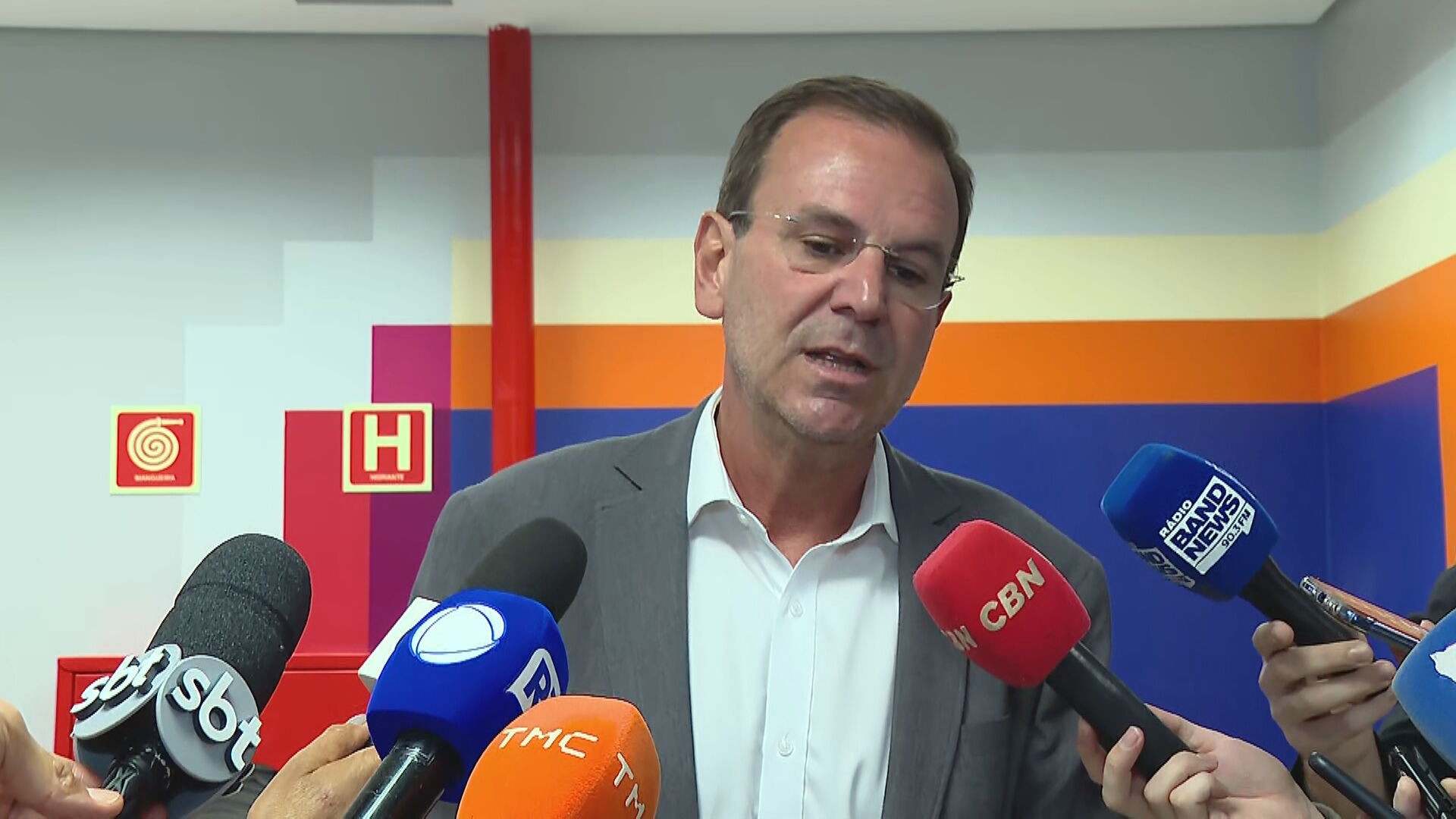
The PT-PC do B-PV Federation officially announced its support for Eduardo Paes's candidacy for Governor of the State of Rio de Janeiro on Saturday, August 1st. This endorsement took place during the PT's state convention, held at the Clube de Engenharia do Brasil in downtown Rio. The convention also confirmed the party's nominees for federal and state deputy positions.
During the event, candidates Marcelo Freixo and Lindbergh Farias issued a statement denouncing Washington Quaquá. They claim the PT's state executive committee in Rio approved the allocation of the number 1313 to Diego Quaquá, Washington Quaquá's son, without national party approval. Washington Quaquá stated that the number will indeed belong to Diego, who is the president of the PT in the state and represents the municipality. Meanwhile, the MDB, Podemos, PDT, and PSB parties have also previously declared their support for Paes's gubernatorial bid.
Eduardo Paes, born in 1969, has a long political career, including two terms as Mayor of Rio de Janeiro (2008-2012, 2021-2024) and a third term he was reelected for in 2024. His previous mayoral tenures were marked by preparations for the 2016 Olympic Games, including major infrastructure projects. He also served as a federal deputy and ran unsuccessfully for governor in 2006 and 2018. The deadline for candidate registration with the Superior Electoral Court (TSE) is August 15th, with the official election campaign commencing the following day.
The endorsement of Eduardo Paes by the PT-PC do B-PV Federation, alongside other parties like MDB, Podemos, PDT, and PSB, signals a consolidation of political forces in Rio de Janeiro. This broad coalition suggests a strategic alignment aimed at leveraging Paes's established political profile and electoral success, particularly his recent re-election as mayor. The internal dispute within the PT regarding candidate numbering highlights the complex dynamics of party governance and the perennial tension between national and state-level party structures. As the election cycle progresses towards the October 4th vote, the effectiveness of these alliances will be tested against voter sentiment and the broader political landscape, with candidates needing to navigate both coalition building and intra-party cohesion.
AI-generated to prompt reflection — not editorial opinion, not advice, not a statement of fact. How this works.