PTI backs Aleema Khan's protest call but fears 'false flag' or violence
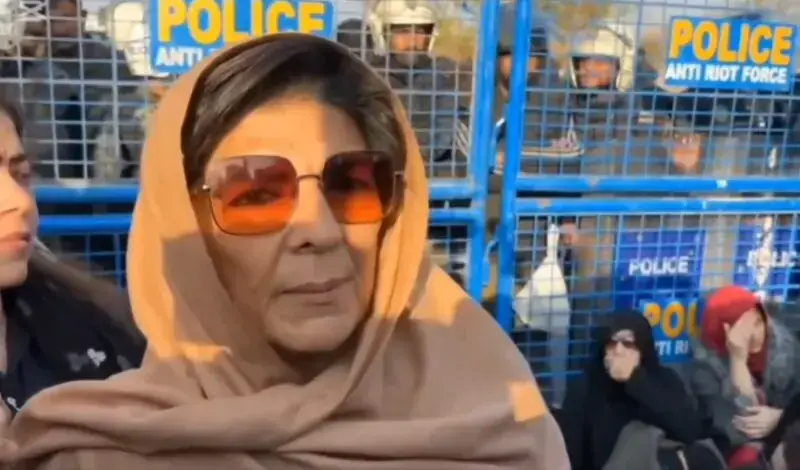
The Pakistan Tehreek-i-Insaf (PTI) party has announced its support for Aleema Khan's call for a "long march" and protest. However, senior party leaders expressed significant concerns that the planned demonstration could devolve into a "false-flag operation" or a violent incident, drawing parallels to past events like the May 9, 2023, disorder and a reported "massacre" at D Chowk in November 2024. One leader noted that Aleema Khan's rhetoric, which reportedly aims to incite people against parliamentarians, has caused panic within the party. While acknowledging the public's respect for Imran Khan's family and their willingness to support protests, the leader pointed out that parliamentarians have been instrumental in facilitating visits to Adiala jail. The concern is that Aleema's statements, such as "we will not return once we reach there and firing on workers will not be tolerated," could provoke violence. The source mentions that 14 workers were allegedly shot at D Chowk, but an FIR was never registered, and Aleema Khan only visited the family of one victim. Another leader from Khyber Pakhtunkhwa (KP) recalled that similar suggestions to gather workers at Adiala jail were previously rejected due to fears of a "false flag operation" that could negatively impact Imran Khan. This leader also questioned the consistent reliance on KP for organizing marches rather than Punjab. The party's official stance, as stated by Information Secretary Sheikh Waqas Akram, is that the PTI supports Aleema Khan and anyone working towards Imran Khan's release, emphasizing unity between the party and the chairman's family. Akram dismissed claims of promoting "family politics."
The Pakistan Tehreek-i-Insaf's (PTI) internal discourse reveals a tension between mobilizing public support and managing the potential for uncontrolled escalation. The party's expressed fears of "false flag" operations and violence suggest a strategic calculation of risk, wherein the potential for state reprisal or public disorder outweighs the immediate benefits of a large-scale protest. This dynamic highlights the challenges of political mobilization in environments where state capacity for control is high and historical precedents for crackdowns are evident. The reliance on specific regional bases, like Khyber Pakhtunkhwa, and the critique of leadership's organizational focus point to underlying structural issues within the party's approach to activism. Looking ahead, the ability of political movements to navigate these risks, balancing popular fervor with strategic restraint, will be crucial in shaping Pakistan's political landscape over the next decade, especially as digital communication tools can both amplify messages and potentially incite unintended consequences.
AI-generated to prompt reflection — not editorial opinion, not advice, not a statement of fact. How this works.