PTI Criticizes Government Over Bureaucrat Allowance Amidst Fuel Price Hikes
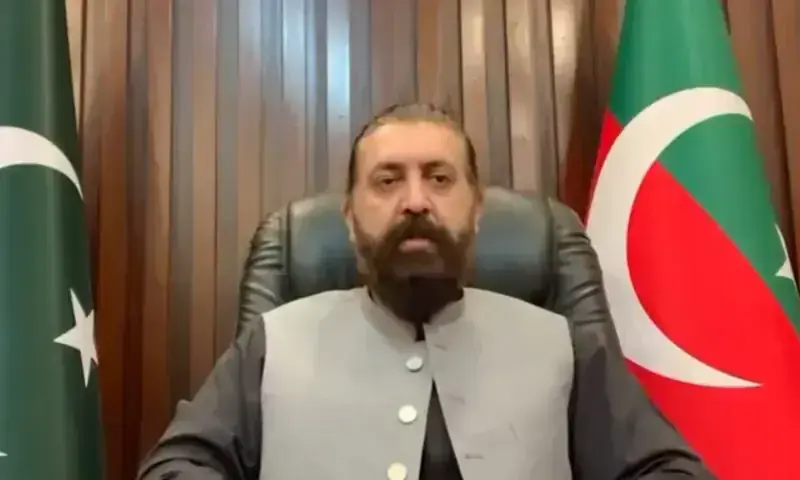
Pakistan Tehreek-e-Insaf (PTI) has strongly criticized the government's decision to approve a special allowance package worth Rs1.8 billion for top bureaucrats, coinciding with continuous increases in fuel prices for ordinary citizens. PTI Information Secretary Sheikh Waqas Akram highlighted that while the public faces escalating petrol prices to Rs335.18 and diesel to Rs383.46 per litre, bureaucrats already receive free fuel and other luxuries, creating a "dual system." PTI is demanding an immediate rollback of recent fuel price hikes, a reduction in the petroleum levy, and the abolition of the daily fuel pricing mechanism. Mr. Akram also called for the cancellation of the Rs1.8 billion bureaucratic bonus. Furthermore, the party questioned the government's decision to import 1.1 million metric tonnes of wheat after claiming a bumper harvest, suspecting a "transparent fraud" and demanding transparency on production and stock figures, a forensic audit of missing wheat stocks, and an agricultural emergency. In Sindh, PTI called for an audit and cancellation of tainted results from the Public Service Commission's 2024 exams. Finally, in Azad Kashmir, PTI condemned the dispatch of electric buses adorned with political imagery, funded by Punjab taxpayers, as electoral bribery.
This situation highlights a potential disconnect between public policy and public perception, particularly concerning resource allocation and economic hardship. The government's decision to allocate significant funds for bureaucratic allowances while simultaneously raising fuel prices for the general populace can be perceived as exacerbating existing inequalities. From a governance perspective, such actions can erode public trust and fuel political opposition. The PTI's strong reaction, framing the issue as a "dual system" for elites versus the public, reflects a common populist critique of governance. Future policy decisions may need to carefully consider the optics and distributive consequences of financial allocations, especially during periods of economic strain, to maintain social cohesion and political stability. The underlying incentive structures for public service compensation and the transparency of resource distribution remain critical areas for scrutiny.
AI-generated to prompt reflection — not editorial opinion, not advice, not a statement of fact. How this works.