PTI to Launch Nationwide Movement on August 5 for Imran Khan's Release
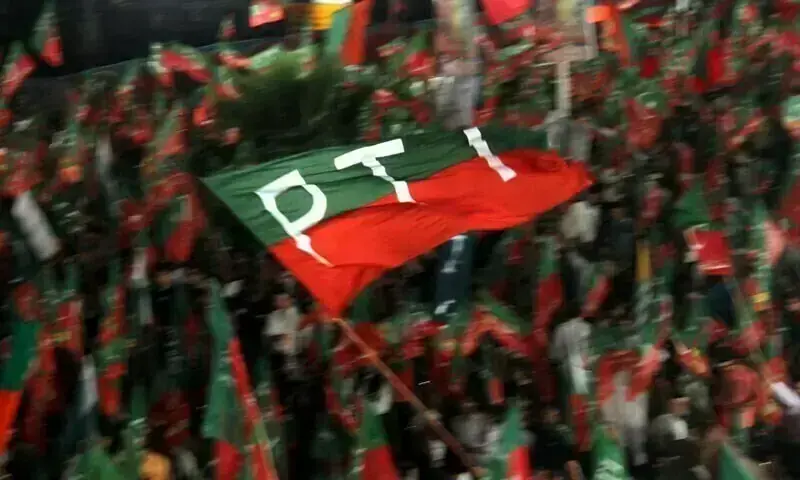
The Pakistan Tehreek-e-Insaf (PTI) party has decided to initiate a nationwide movement commencing on August 5, aimed at securing the release of its chief, Imran Khan, and addressing other party demands. This date marks the third anniversary of the former prime minister's imprisonment. The decision was formalized during a meeting at Khyber Pakhtunkhwa House in Islamabad, chaired by interim party chairman Barrister Gohar Ali Khan. The planned movement will encompass public gatherings, demonstrations, and a long march across the country. PTI General Secretary Salman Akram Raja indicated that the opinions of Mehmood Khan Achakzai and Allama Raja Nasir Abbas will be consulted to finalize protest strategies. Barrister Gohar Ali Khan also mentioned discussions regarding the health of Imran Khan and his wife, Bushra Bibi, emphasizing that rallies would be held to commemorate the third year of Khan's incarceration. He asserted that Imran Khan is not receiving justice from the courts and that oppression and injustice must cease. Separately, the PTI refuted media reports suggesting an end to their boycott of parliamentary standing committees. PTI Chief Whip Malik Amir stated that the boycott remains in effect, based on instructions from Imran Khan, and any decision to alter this stance will only be made after consulting the party founder. In a related development, PTI lawyer Advocate Awais Younas Chaudhry submitted a list of six party leaders to Adiala jail authorities for a meeting with Imran Khan.
The PTI's planned nationwide movement on August 5 highlights a persistent challenge for political parties in Pakistan: leveraging public mobilization to influence judicial and governmental outcomes, particularly concerning high-profile figures. The strategy of linking a protest launch to a significant anniversary of a leader's imprisonment underscores the party's effort to frame the issue as one of prolonged injustice. The emphasis on consulting other political figures suggests an attempt to broaden the movement's appeal and legitimacy beyond the PTI's core base. Simultaneously, the firm stance on boycotting parliamentary standing committees, contingent on Imran Khan's approval, illustrates the centralized decision-making structure and the party's strategy of using legislative non-participation as a form of political pressure. This approach, while potentially disruptive, raises questions about its long-term efficacy in achieving stated goals within the existing political and legal frameworks, particularly as the party navigates the complexities of electoral politics and governance in the coming years.
AI-generated to prompt reflection — not editorial opinion, not advice, not a statement of fact. How this works.