Public Hospitals Lack Patient Access to Diagnostic Equipment Despite Availability
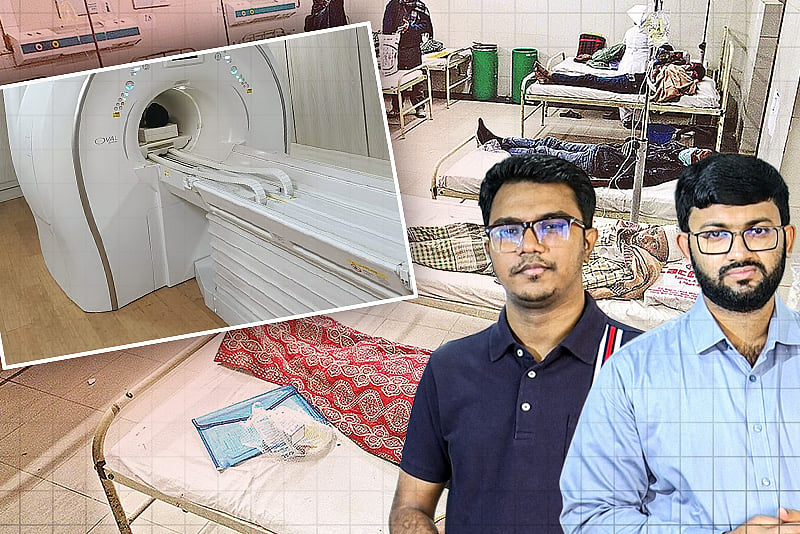
Despite the presence of modern diagnostic equipment like X-ray and ultrasound machines in public hospitals, patients are unable to access these essential services. The machinery is available, but it is not consistently providing care to those who need it. The reasons behind this failure to deliver regular services are not immediately clear from the provided information. This situation raises concerns about the effective utilization of resources within the public healthcare system. Patients seeking diagnoses are being hindered by operational or logistical issues, rather than a lack of technological capacity. Further investigation is needed to understand the specific barriers preventing these machines from being utilized for patient benefit. The availability of advanced diagnostic tools should translate into accessible healthcare, but this is currently not the case in these public facilities.
The discrepancy between the availability of advanced diagnostic equipment in public hospitals and the actual patient access to these services highlights a potential gap in operational efficiency and resource management. While technological infrastructure is in place, systemic issues such as maintenance, staffing, or bureaucratic hurdles may be impeding service delivery. This situation warrants an examination of the hospital's internal processes to identify bottlenecks and ensure that public investments in healthcare technology translate into tangible patient benefits. Understanding these operational challenges is crucial for optimizing healthcare outcomes and ensuring equitable access to diagnostic services for all citizens.
AI-generated to prompt reflection — not editorial opinion, not advice, not a statement of fact. How this works.