Public Outcry Over Beach Access Restrictions
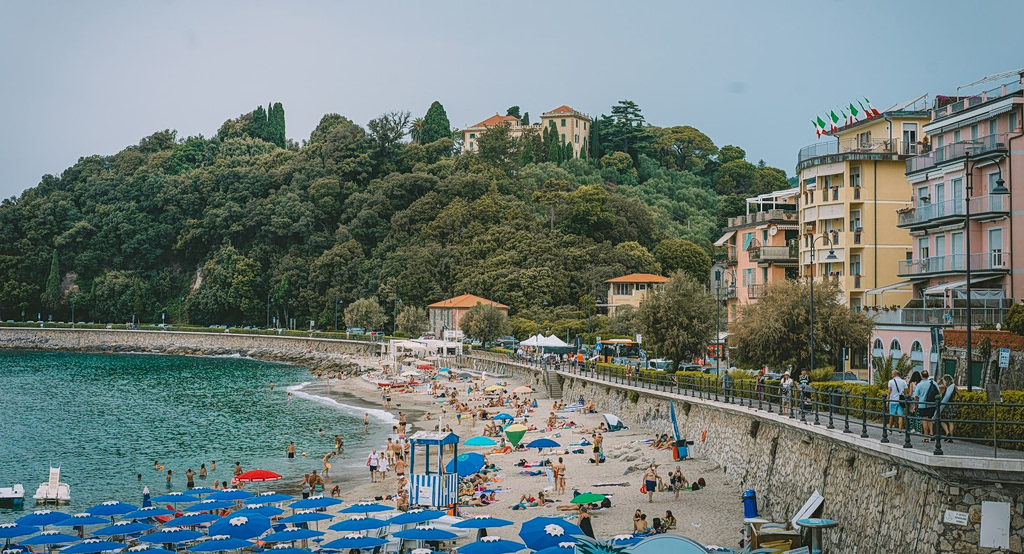
Recent actions concerning beach access have sparked significant public reactions. The core issue revolves around the principle of free access, which is considered a fundamental right in most European nations. This principle suggests that citizens should be able to enjoy coastal areas without undue obstruction or privatization. The current situation appears to be in conflict with this widely accepted norm across Europe. The specific details of the restrictions or the entities imposing them are not provided in the source text, but the public's response indicates a strong sentiment against any measures that limit access to these natural resources. The implications of restricted beach access can extend beyond recreation, potentially affecting local economies and the public's connection to their natural environment.
The tension between private interests and public access to natural resources like beaches is a recurring theme globally. This situation highlights a potential conflict between commercial development or private ownership and the public's right to enjoy coastal areas, a principle often enshrined in law or tradition across Europe. The public's reaction suggests a societal value placed on open access, possibly driven by environmental, recreational, or equitable concerns. Future policy decisions will likely need to balance economic incentives with the preservation of public domain rights to maintain social cohesion and environmental stewardship. Understanding the specific governance frameworks and property rights involved is crucial to analyzing the long-term sustainability of current access policies.
AI-generated to prompt reflection — not editorial opinion, not advice, not a statement of fact. How this works.