Public Prosecutor Sues Cuiabá City Hall Over Tree Cutting, Seeks R$500k Fine
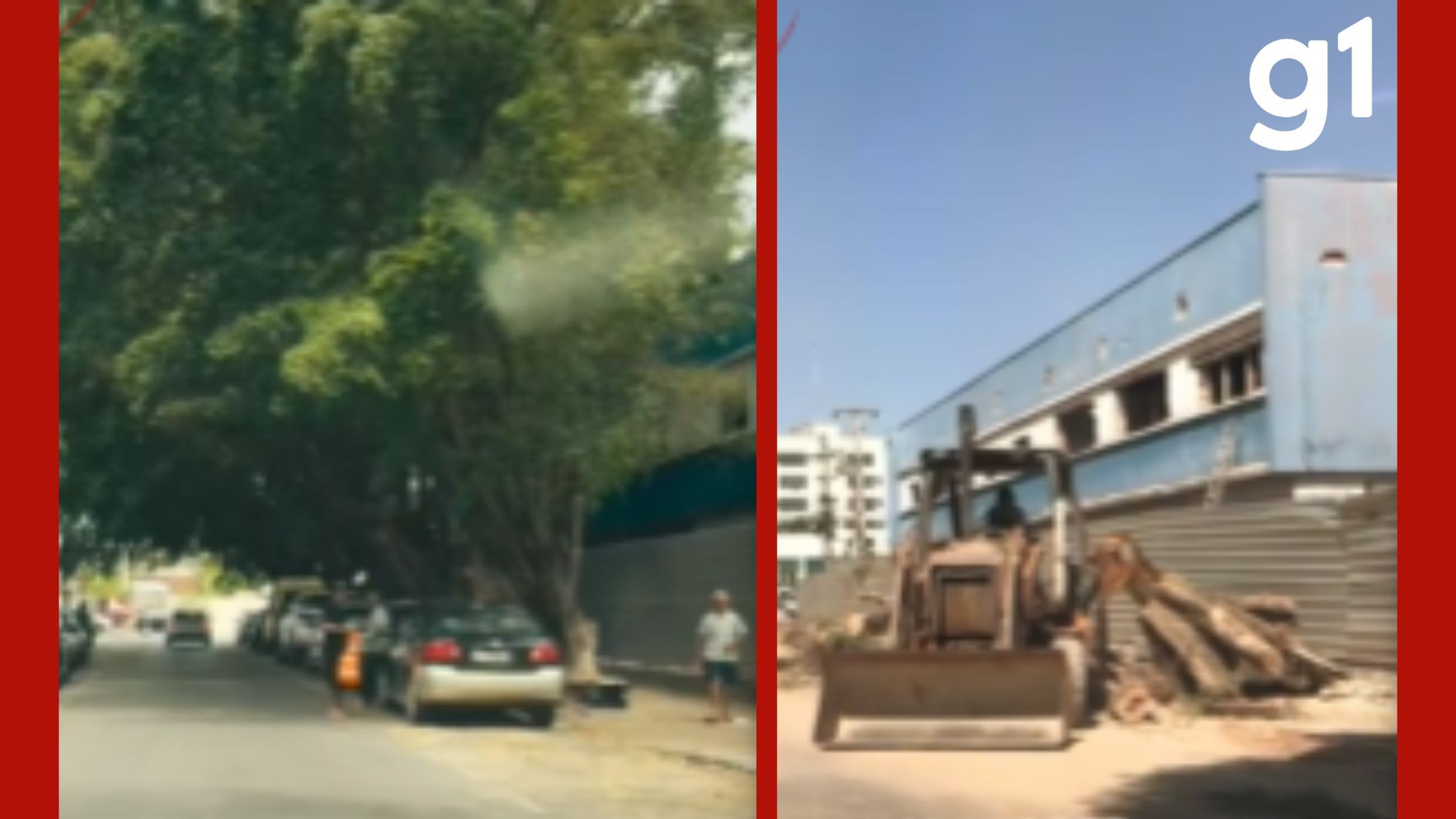
The Public Prosecutor's Office of Mato Grosso (MPMT) has filed a public civil action against the Cuiabá City Hall, demanding an immediate halt to all permits for tree pruning and removal in the capital city. The lawsuit also seeks to suspend tree cutting related to urban mobility projects on Fernando Corrêa da Costa Avenue and requests a R$500,000 fine for environmental damages. The action was initiated on Thursday, February 2nd, by the 29th Civil Prosecutor's Office, which specializes in environmental and urban order defense. The MPMT is requesting that the court prevent the issuance of new tree removal permits and invalidate existing ones until the municipality implements adequate technical criteria for such interventions. Furthermore, the prosecutor's office is demanding a halt to the removal of remaining trees for the urban mobility works on Fernando Corrêa da Costa Avenue, located in the São Francisco neighborhood. Investigations by the MPMT revealed structural deficiencies in the city's urban tree management policies. Specific cases cited include the removal of large trees on Baltazar Navarros Street and the planned removal of up to 82 trees for the Fernando Corrêa da Costa Avenue project, with inadequate ecological compensation and vegetation replanting measures. The MPMT also seeks a court order for the city to establish a technical protocol for tree management, including mitigation measures, ecological compensation, transplanting when feasible, and continuous monitoring, alongside the replanting of removed adult trees and a review of past permits.
This legal action highlights a systemic tension between urban development imperatives and environmental preservation mandates. The Public Prosecutor's intervention suggests a potential governance gap in Cuiabá's urban planning, where development projects may be proceeding without sufficiently robust ecological impact assessments or compensatory measures. The demand for a technical protocol and financial penalties indicates a move towards greater accountability and a data-driven approach to urban green space management. Looking ahead, cities worldwide face increasing pressure to balance rapid urbanization with climate resilience and biodiversity goals. Establishing clear, science-based frameworks for tree management is crucial for sustainable urban growth, ensuring that infrastructure development does not irrevocably degrade the ecological services provided by urban forests.
AI-generated to prompt reflection — not editorial opinion, not advice, not a statement of fact. How this works.