Public Satisfied with Governance After 100 Days, But Concerned About Inflation
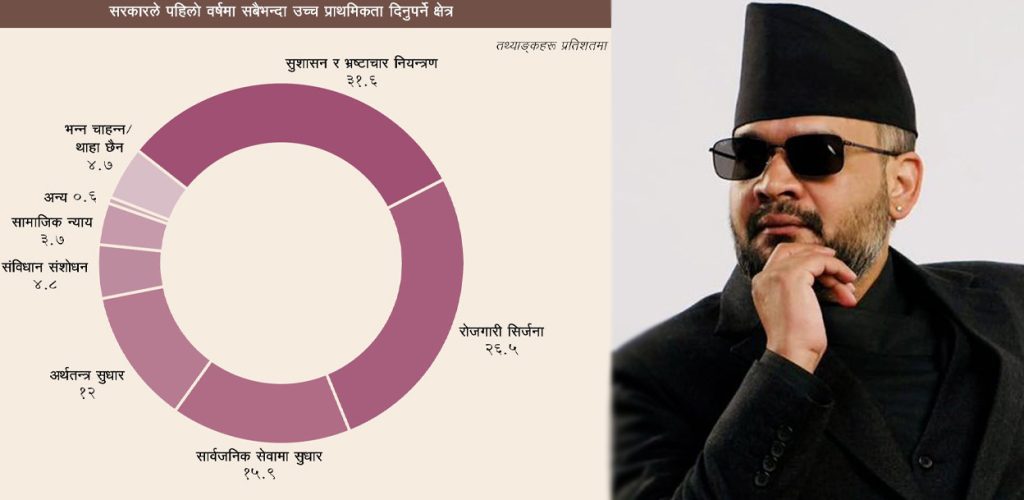
A recent survey examining public sentiment after the government's first 100 days reveals a significant divide between high institutional approval and widespread economic concerns. While citizens express satisfaction with the government's performance in terms of governance, they are increasingly discontent with the rising cost of living. This indicates a complex public mood, where perceived administrative competence is not translating into relief from economic pressures. The findings suggest that despite a positive view of the government's institutional standing, immediate economic challenges are overshadowing broader achievements. The survey highlights the critical need for the government to address inflationary pressures to maintain public trust and satisfaction.
The survey data presents a common governance challenge: the disconnect between institutional performance and immediate economic realities. While citizens may approve of governmental structures and processes, persistent inflation erodes their purchasing power, directly impacting daily life and satisfaction. This situation highlights the intricate balance governments must strike between long-term policy objectives and short-term economic stability. Future policy decisions will likely need to prioritize tangible economic relief to align public perception with governance effectiveness, especially as economic headwinds are expected to persist in the coming decade.
AI-generated to prompt reflection — not editorial opinion, not advice, not a statement of fact. How this works.