Public school students in Brazil tackle period poverty with reusable pads and education
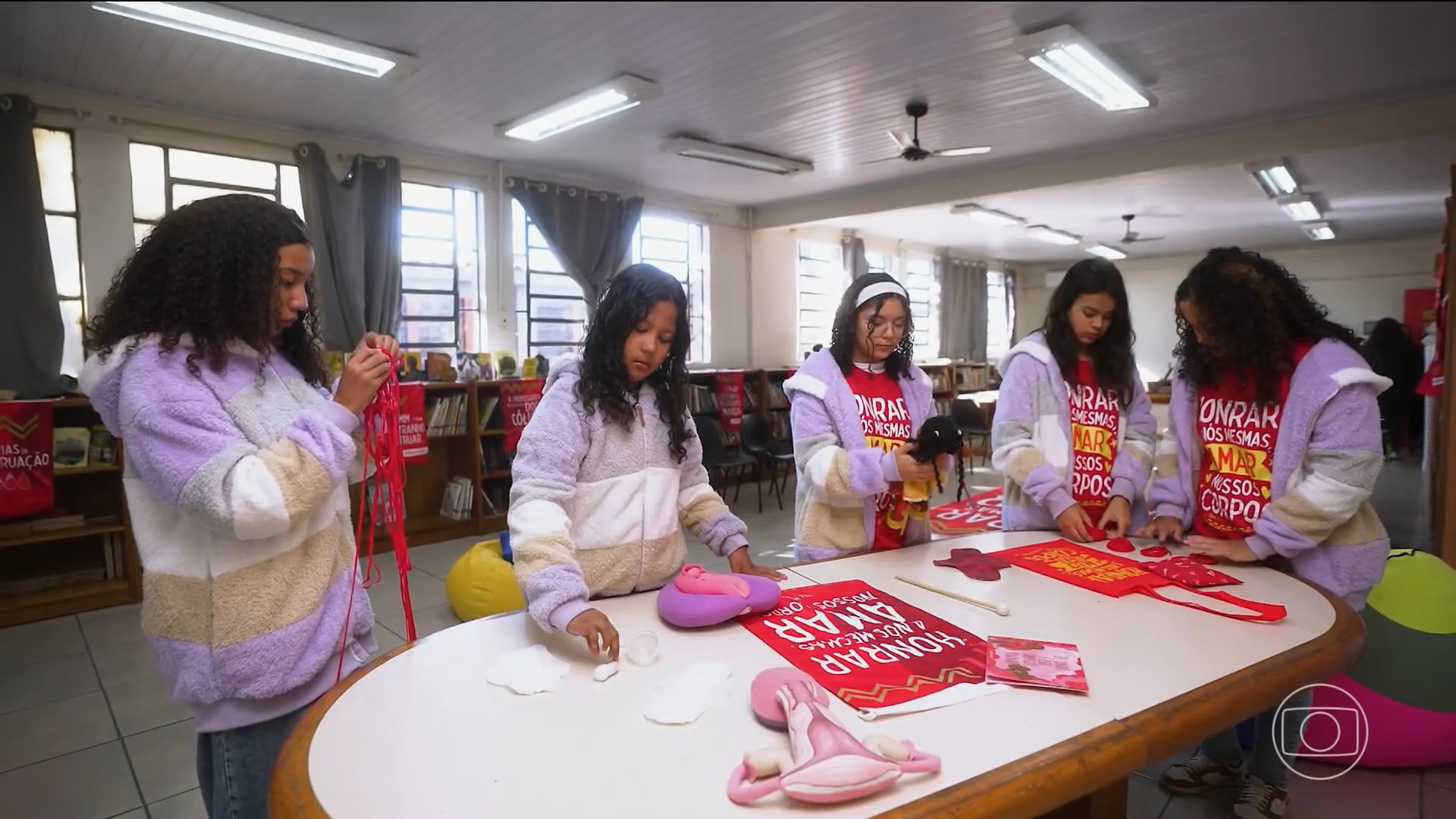
A group of teenage students from the Saint Hilaire municipal school in Porto Alegre, Rio Grande do Sul, Brazil, have established the "Garotas de Vermelho" (Girls in Red) collective to combat menstrual poverty and promote discussions on female health, violence, and dignity. The initiative arose from the students' own observations that many of their peers lacked access to sanitary pads and felt unable to discuss menstruation openly at home or school. The collective organizes educational talks and distributes menstrual health items to girls facing vulnerability. They have also developed kits featuring reusable sanitary pads and thermal bags, operating on a buy-one-give-one model where each purchased kit helps fund a donated one. Through educational activities for children and adolescents, the project has reached over 30 schools in Porto Alegre, becoming a recognized voice on menstrual dignity and sexual violence prevention. The "girl-to-girl" discussions foster a safe environment for participants to share experiences and questions. This impactful initiative earned the group national recognition at the Desafio Liga Jovem, an entrepreneurship competition for students, leading to mentorships, event participation, and a trip to Madrid to present their project at innovation forums. The students aspire to expand their reach, ensuring more girls have access to essential menstrual health products and bodily autonomy education. Professor Maria Gabriela de Souza, the project's advisor, highlighted the role of entrepreneurial education in social transformation.
This initiative by young students in Brazil addresses a critical public health and social equity issue, menstrual poverty, by leveraging entrepreneurship and peer education. The "Garotas de Vermelho" collective demonstrates how localized, community-driven solutions can effectively tackle systemic challenges that disproportionately affect vulnerable populations. By creating a sustainable model that combines product sales with donations and educational outreach, the project not only provides essential supplies but also destigmatizes menstruation and empowers young women. The success of this student-led venture underscores the potential of integrating social entrepreneurship into educational curricula to foster civic engagement and drive positive change, particularly in areas where access to basic resources and information is limited. The project's expansion and national recognition highlight a growing awareness and demand for such initiatives, suggesting a broader societal shift towards prioritizing menstrual health and gender equality.
AI-generated to prompt reflection — not editorial opinion, not advice, not a statement of fact. How this works.