Public Servant Arrested in Piauí for Alleged R$20,000 Extortion Attempt
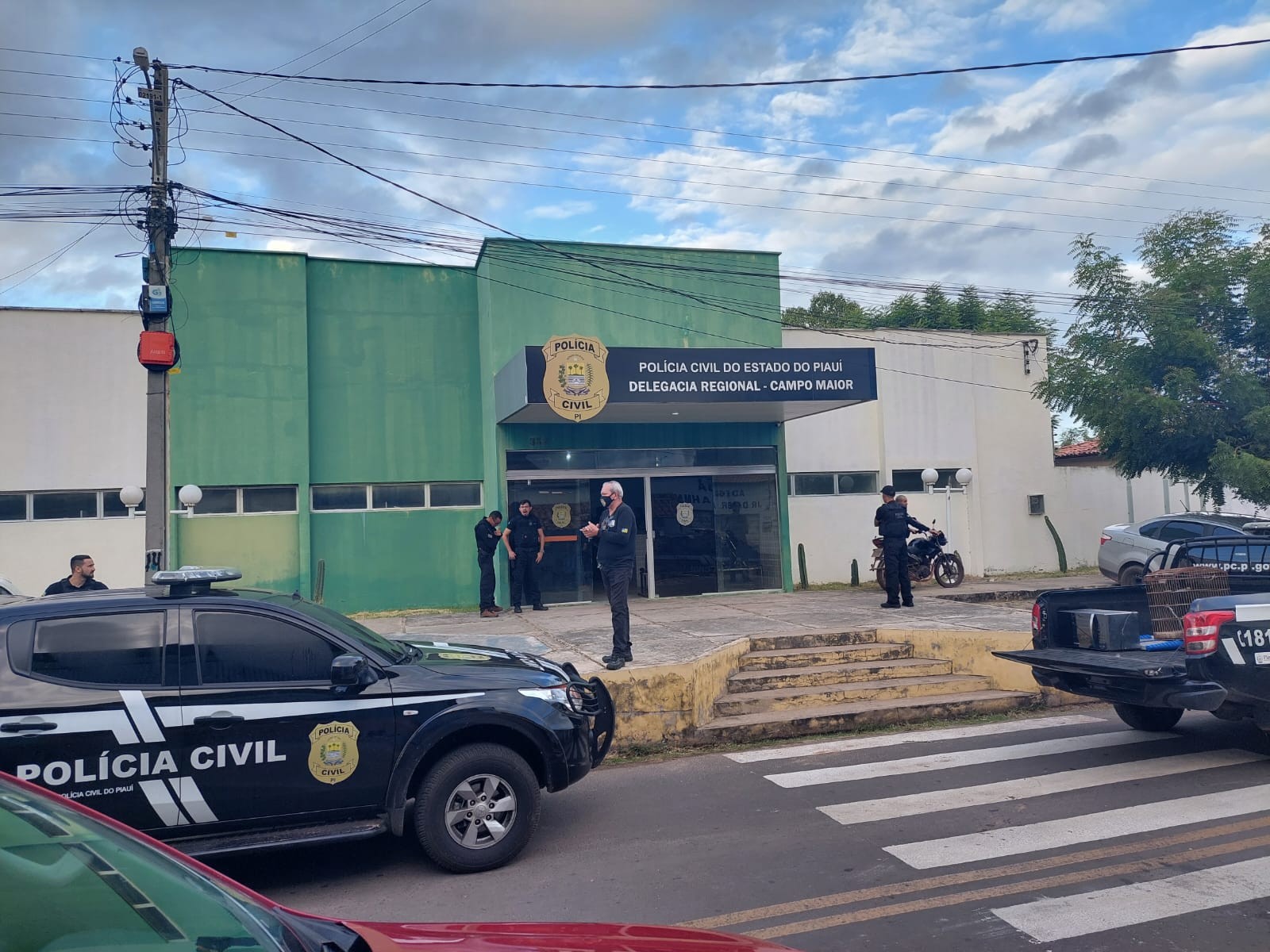
A 64-year-old state public servant, Sérgio Pereira Silva, has been preemptively arrested in Campo Maior, Piauí, Brazil, on suspicion of extortion. Civil Police allege that Silva demanded approximately R$20,000 from a municipal employee to refrain from disclosing information concerning the President of the Municipal Chamber, Wellington Sena. The investigation began after a Municipal Chamber employee reported receiving WhatsApp messages containing the monetary demands. Authorities executed search and seizure warrants at Silva's residence, confiscating cell phones and computers for forensic analysis. This analysis reportedly revealed evidence of threats made against a public official, specifically a member of the Municipal Chamber, in exchange for money to prevent the release of documents. This is not the first time Silva has been investigated; earlier this year, he was the subject of a Civil Police operation looking into alleged defamation crimes against the mayor of Campo Maior, João Félix. However, the current investigation leading to his arrest is distinct from that prior case. Silva's defense team has stated that his arrest occurred within an ongoing investigation and that he denies the accusations. They claim Silva is being subjected to disproportionate measures after reporting alleged irregularities involving the Campo Maior City Hall and the Municipal Chamber. The defense asserts their client's constitutional rights, including the presumption of innocence, and intends to demonstrate the legality of his actions through the judicial process, expressing confidence in the impartiality of the judiciary.
This event highlights the complex interplay between whistleblowing, alleged corruption, and law enforcement actions within a municipal governance structure. The arrest of Sérgio Pereira Silva, accused of extorting funds to suppress information, raises questions about the motivations behind his alleged actions and the subsequent counter-accusations of disproportionate measures following his reporting of irregularities. From a systemic perspective, such incidents underscore the critical need for robust and transparent mechanisms to protect whistleblowers while ensuring due process for all parties involved. The legal and public scrutiny of these claims will be crucial in determining accountability and reinforcing public trust in local governance. Future considerations may involve strengthening whistleblower protection frameworks and establishing clearer protocols for investigating alleged corruption to prevent potential retaliation or misuse of information.
AI-generated to prompt reflection — not editorial opinion, not advice, not a statement of fact. How this works.