Public transport fares in Bagmati Province remain high despite fuel price drop
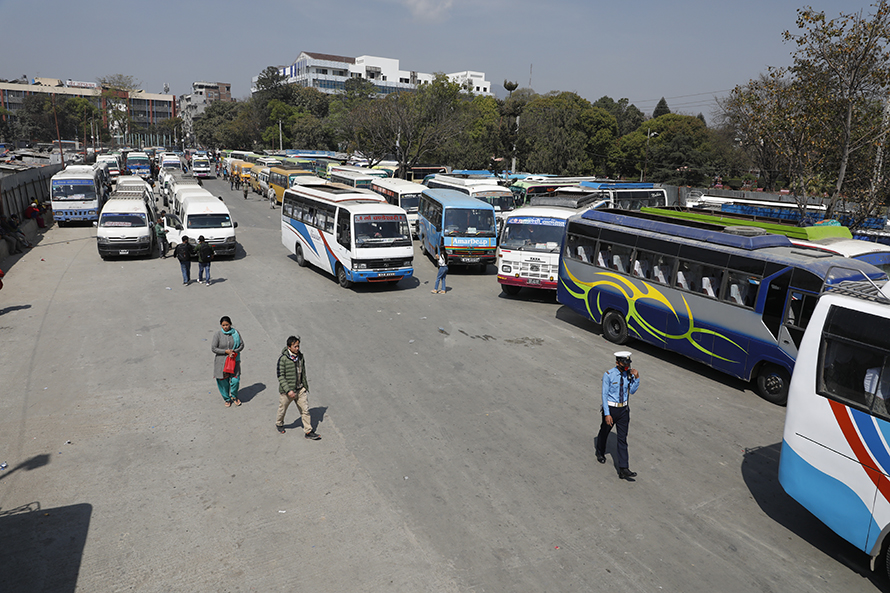
Despite a nearly month-long decrease in petroleum prices, public transportation fares within Nepal's Bagmati Province have not been reduced. This inaction by the Bagmati Provincial Government has placed a burden on ordinary citizens. The expectation was that the falling fuel costs would translate to lower transportation expenses for the public. However, the continued high fares are causing hardship for commuters who rely on these services. The provincial government's decision to maintain current fare rates, even as fuel prices decline, is a point of concern for the general populace. This situation highlights a disconnect between commodity price fluctuations and their impact on essential public services. Residents are facing increased costs for their daily travel, impacting their household budgets. The delay in fare adjustment is causing frustration among those who anticipated relief from the lower fuel prices. The provincial government is urged to address this issue promptly to provide much-needed relief to the public.
The disparity between declining fuel costs and stagnant public transport fares in Bagmati Province suggests a potential disconnect in the regulatory or market mechanisms governing fare adjustments. This situation may reflect bureaucratic inertia, a lack of clear policy guidelines for price pass-throughs, or possible vested interests influencing the decision-making process. From a systemic perspective, ensuring that commodity price reductions benefit consumers in essential services like public transport is crucial for economic equity and public trust. Over the next decade, as transportation sectors increasingly integrate with digital platforms and dynamic pricing models, the efficiency and transparency of such fare adjustments will become even more critical. Governments will need to establish more agile and responsive frameworks to manage price fluctuations, ensuring that benefits are timely and equitably distributed, thereby fostering a more efficient and fair transportation ecosystem.
AI-generated to prompt reflection — not editorial opinion, not advice, not a statement of fact. How this works.