Public Works Department Transfers 767 Assistant Engineers via Lottery
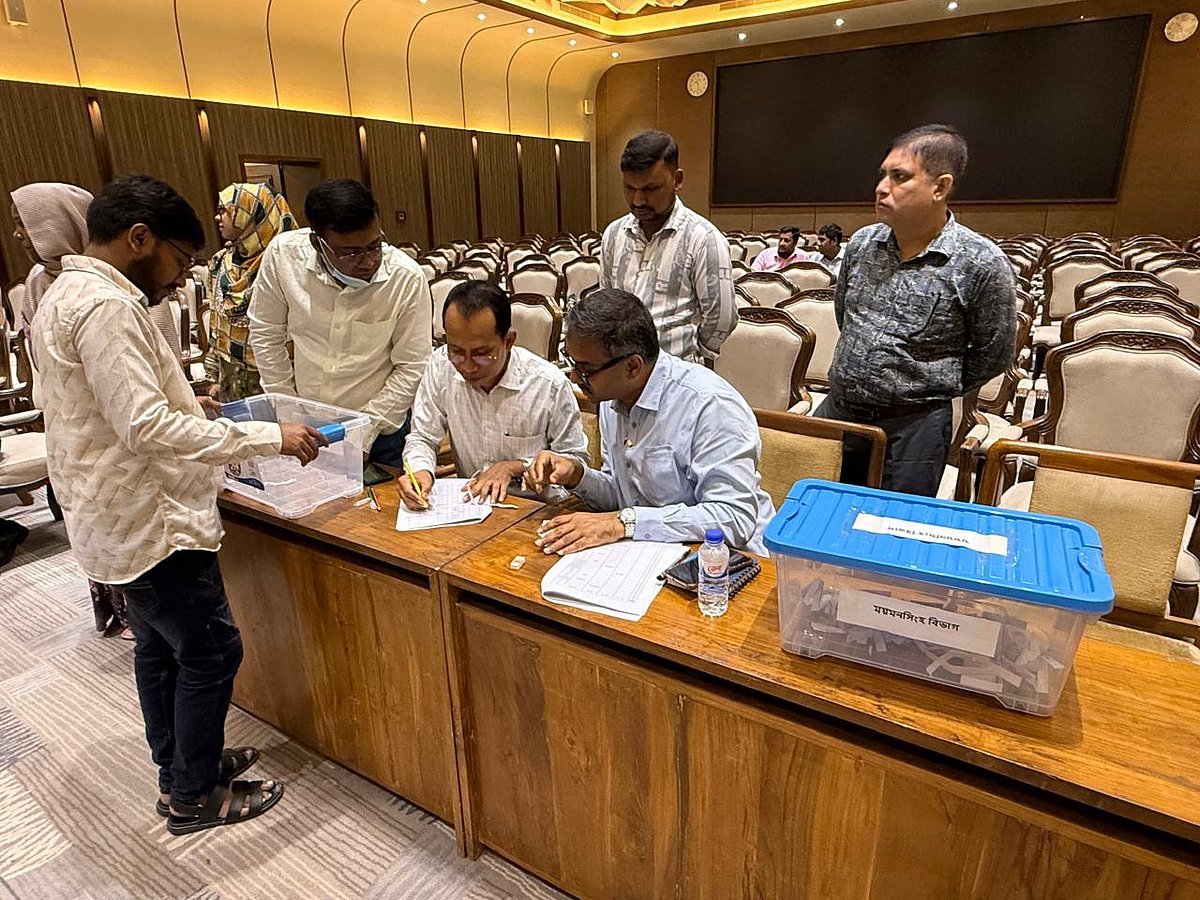
The Public Works Department (PWD) has transferred 767 deputy assistant engineers (civil) through a lottery system. The lottery, held on Thursday at the PWD building in Segunbagicha, Dhaka, determined the postings and departments for these engineers across the country's eight divisions. Additional Secretary Sarwar Alam of the Ministry of Housing and Public Works coordinated the lottery, which was announced via a press release. This marks the first time transfers for this position have been conducted using a lottery, aiming to establish a new benchmark for transparency and impartiality in postings within the ministry's subordinate offices and agencies. The PWD expects this initiative to enhance transparency and accountability in government development activities. Specifically, the lottery assigned 317 engineers to the Dhaka division, 73 to Rajshahi, 133 to Chittagong, 74 to Khulna, 44 to Barisal, 33 to Sylhet, 29 to Mymensingh, and 64 to Rangpur. These engineers will serve in various branches of the PWD's head office, divisional offices, and district executive engineer offices. Additional Secretary Sarwar Alam stated that this method ensures transparency, impartiality, and accountability, initiating a modern and acceptable approach to human resource management. Additional Chief Engineer Kazi Firoz Hasan of the PWD believes this lottery-based transfer system will foster trust, equality, and transparency among engineers. The PWD plans to conduct similar lottery-based transfers for deputy assistant engineers in the electrometrical branch next week.
The implementation of a lottery system for transferring public works engineers represents a significant shift towards procedural transparency in public administration. By removing subjective decision-making, this method aims to mitigate potential biases and enhance fairness in personnel management, thereby fostering greater trust among employees and improving the perceived integrity of government operations. This approach aligns with broader trends in governance seeking to leverage technology and standardized processes to ensure accountability and efficiency. Looking ahead, the success of such systems will depend on their consistent application and the robustness of the underlying technological infrastructure, which could serve as a model for other government departments facing similar challenges in managing large workforces and ensuring equitable opportunities.
AI-generated to prompt reflection — not editorial opinion, not advice, not a statement of fact. How this works.