Publicly Funded Drugs Remain Inaccessible to Millions
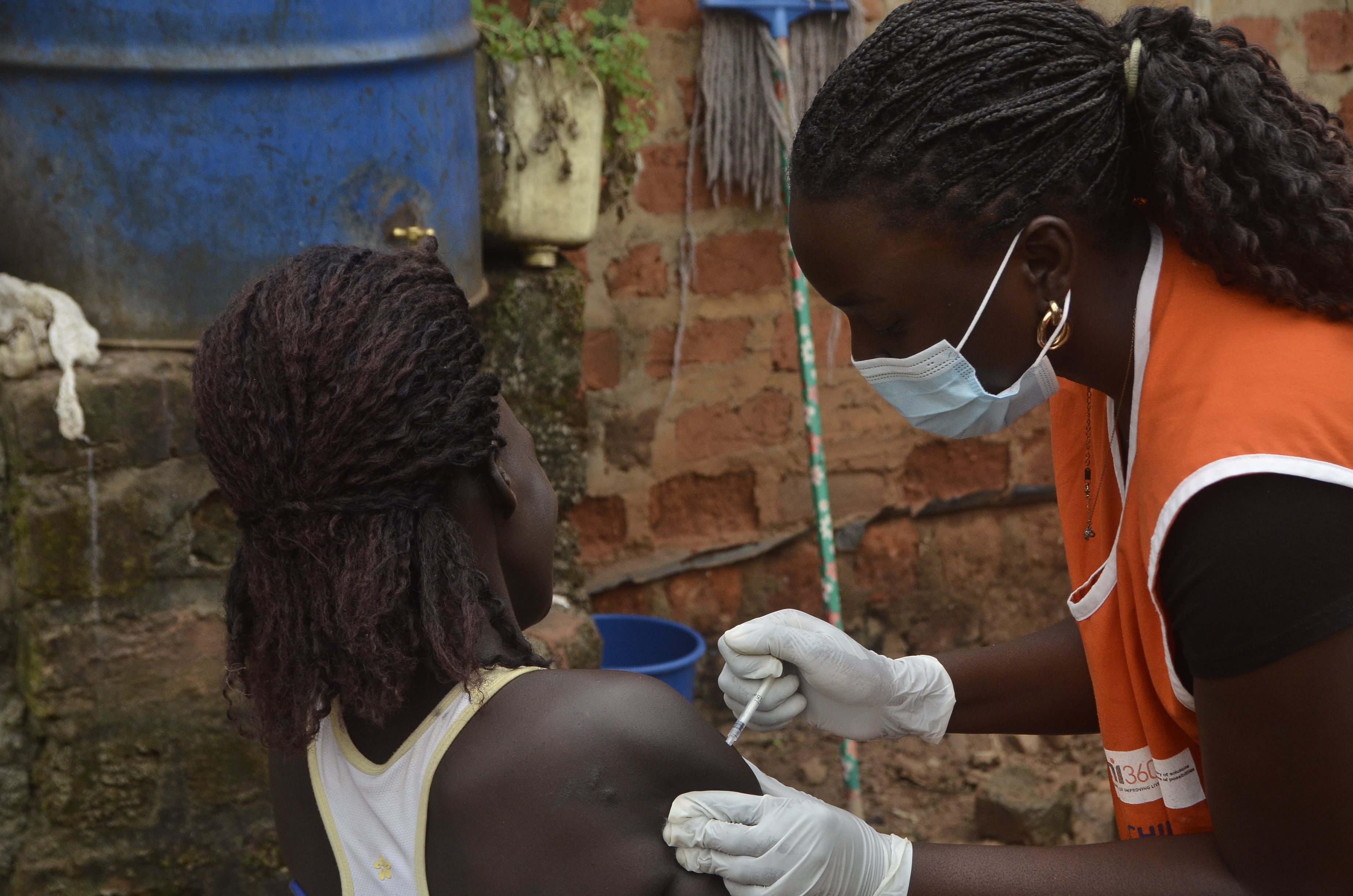
In the coming months, Europe will decide whether entities receiving public funding for drug research should be obligated to ensure broader access to their discoveries. Despite significant public investment in pharmaceutical innovation, millions of people worldwide continue to face barriers in accessing essential medicines. This upcoming decision highlights a long-standing tension between incentivizing private sector research through intellectual property rights and ensuring that life-saving treatments are affordable and available to all. The European Union's deliberation could set a precedent for how public funds are leveraged to promote equitable access to healthcare innovations. The debate centers on finding a balance that encourages continued investment in research while upholding the principle of public health. It is a critical juncture for pharmaceutical policy, potentially reshaping the landscape of drug accessibility across the continent and beyond.
The European Union's upcoming decision on mandatory access commitments for publicly funded drug research addresses a systemic contradiction. While public money fuels innovation, private intellectual property rights often restrict affordability and availability. This policy debate highlights the tension between fostering private sector investment in R&D and ensuring public health outcomes. The decision could influence global pharmaceutical governance by signaling a greater emphasis on equitable access as a condition for public research support. Future policy will likely need to balance incentivizing novel drug development with mechanisms that guarantee patient access, especially in light of increasing healthcare costs and the growing demand for affordable treatments in the next decade.
AI-generated to prompt reflection — not editorial opinion, not advice, not a statement of fact. How this works.
