Pudu Robotics Showcases Unified AI for Diverse Service Robots at WAIC 2026
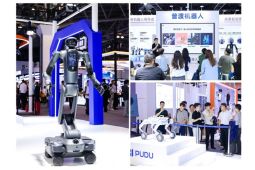
Pudu Robotics, a prominent player in commercial service robotics, presented its innovative "One Brain, Multiple Embodiments" physical agent at the World Artificial Intelligence Conference (WAIC) 2026. This technology signifies a unified artificial intelligence core capable of controlling a variety of robotic forms. The company, recognized as a global leader in its field, demonstrated how a single AI system can power diverse robotic applications, enhancing efficiency and adaptability in commercial environments. The "One Brain, Multiple Embodiments" approach aims to streamline development and deployment of service robots by leveraging a common intelligent platform. This allows for quicker updates and more consistent performance across different robotic models. The demonstration at WAIC 2026 highlighted Pudu Robotics' commitment to advancing AI-driven solutions for the service industry. The company's focus on a centralized AI brain suggests a strategic move towards more integrated and scalable robotic ecosystems. This development could pave the way for more sophisticated and cost-effective robotic services in sectors such as hospitality, logistics, and healthcare.
Pudu Robotics' "One Brain, Multiple Embodiments" strategy represents a significant shift towards platform-based AI development in the robotics sector. This approach leverages economies of scale by centralizing intelligence, potentially reducing R&D costs and accelerating the deployment of specialized robotic agents. The long-term implications involve the creation of more adaptable and interconnected robotic systems, capable of learning and evolving from a shared knowledge base. This could foster greater interoperability and efficiency across various service industries, while also presenting challenges in ensuring the robustness and security of the unified AI core against systemic failures or cyber threats. The focus on a singular AI controlling diverse physical forms aligns with broader trends in artificial general intelligence research, aiming for more generalized problem-solving capabilities in machines.
AI-generated to prompt reflection — not editorial opinion, not advice, not a statement of fact. How this works.