Puigdemont's Return: A Strategic Risk Laden with Melancholy
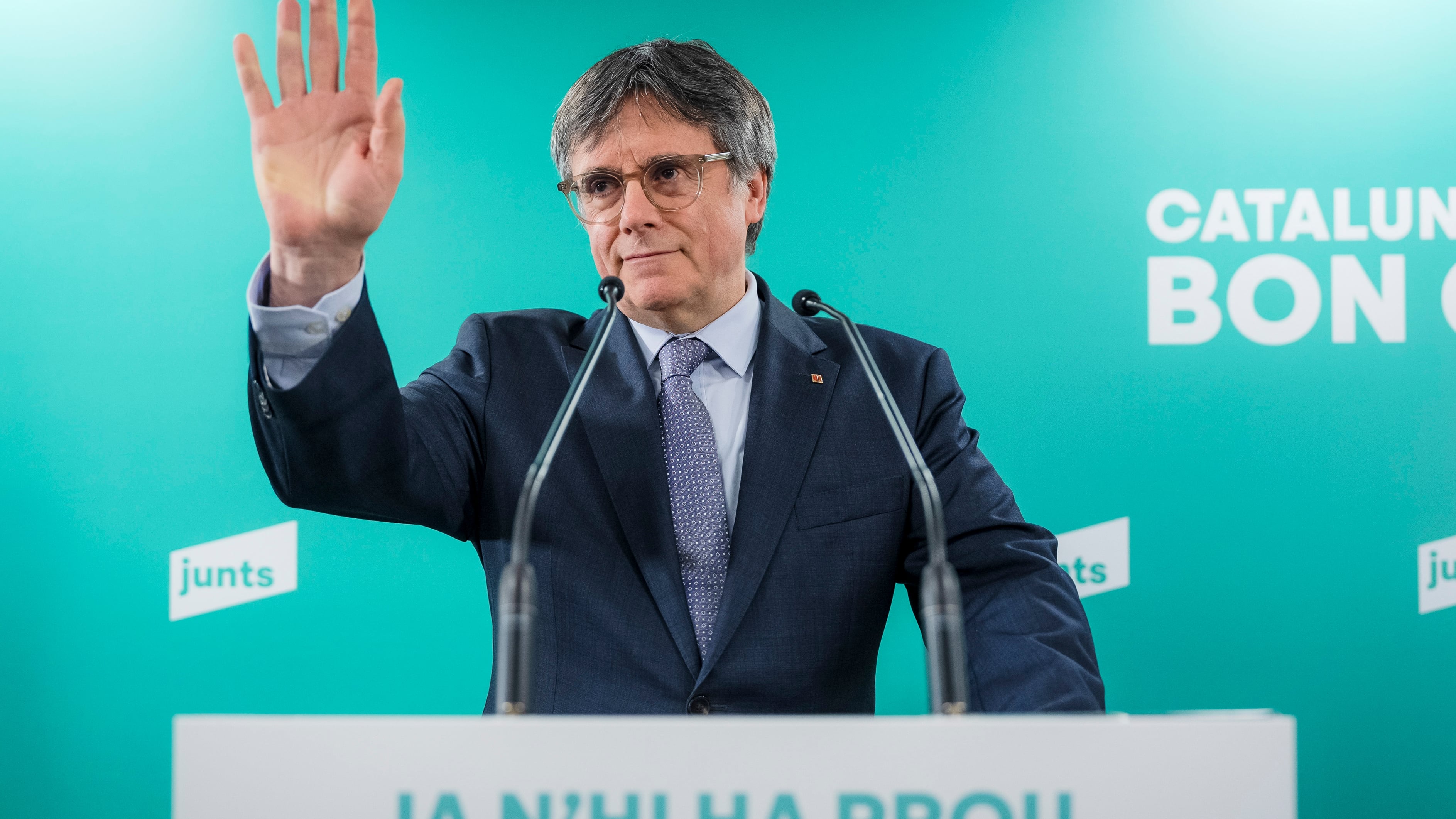
Former Catalan President Carles Puigdemont's potential return to Spain carries significant strategic implications, aiming to bolster his weakened political standing. This move would be legitimized by the path laid out by the European Court of Justice, suggesting a legal framework for his reintegration. Puigdemont, who has been living in exile since the 2017 Catalan independence referendum, faces a complex political and legal landscape upon his potential return. His reappearance could galvanize his supporters and reassert his leadership within the Catalan independence movement. However, it also presents considerable risks, including potential legal repercussions despite the European court's guidance. The political climate in Spain remains sensitive to issues of Catalan separatism, meaning his return could reignite tensions. The decision to return is thus a calculated gamble, balancing the desire for political resurgence against the uncertainties of the Spanish legal and political systems. The 'expresident' is reportedly experiencing a sense of melancholy, underscoring the personal toll and emotional weight of his prolonged exile and the difficult choices he faces.
The potential return of Carles Puigdemont, legitimized by European judicial precedent, represents a strategic maneuver to re-center his political influence. This action highlights the ongoing tension between national sovereignty claims and supranational legal frameworks within the European Union. The decision to return, fraught with personal and political risk, could reshape the dynamics of the Catalan independence movement and its relationship with the Spanish state. From a systems perspective, this event underscores the challenges of reconciling regional aspirations with established national governance structures in an era where digital communication amplifies political movements. The long-term implications will depend on how Spanish legal and political institutions adapt to this challenge and whether a more inclusive dialogue can be fostered, moving beyond the current impasse.
AI-generated to prompt reflection — not editorial opinion, not advice, not a statement of fact. How this works.