Puma Survival in Sugarcane Fields Hinges on Preserved Native Habitats
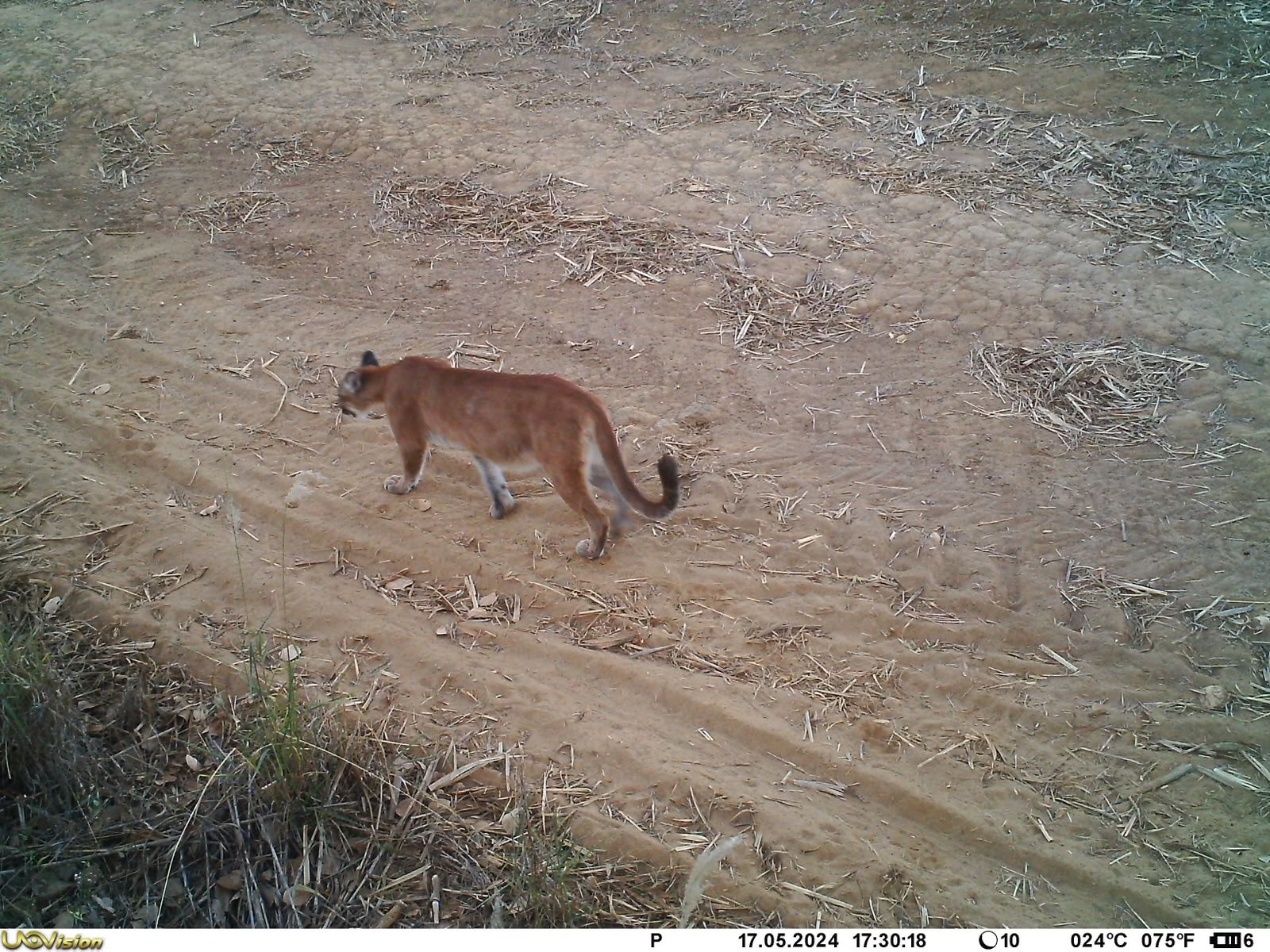
A two-year study by the University of Campinas (Unicamp) in Iracemápolis, São Paulo, Brazil, has revealed that pumas can survive, reproduce, and maintain their ecological role in areas dominated by sugarcane monoculture. This survival is critically dependent on the presence of riparian forests, reservoirs, and wetlands surrounding the agricultural lands. These natural fragments serve as essential shelters and corridors for both the pumas and their prey. The research, conducted in a region where sugarcane covers 76% of the territory, highlights the positive impact of past efforts to restore riparian forests in local watersheds, as explained by Eleonore Setz, a professor at Unicamp and coordinator of the Mammal Ecology and Behavior Lab. She emphasized that maintaining native vegetation, including forests and Cerrado, is crucial for water production and, consequently, for supporting puma populations and their ecological services. The study observed pumas year-round, indicating they are residents, and noted that other medium-sized animals avoid areas frequented by the larger feline. The research also confirmed puma reproduction within the municipality and documented the presence of 23 other species, including maned wolves, ocelots, and capybaras. While pumas utilize sugarcane fields for hunting, primarily small rodents, their ideal diet consists of larger prey. Reliance on smaller prey could negatively impact their long-term health, cub survival, and reproductive success. As an "umbrella species," the puma's conservation benefits the entire ecosystem. Setz advises caution if encountering a puma, recommending slow retreats and avoiding sudden movements or running, as this can provoke a predatory response.
This study demonstrates how ecological resilience can be fostered even within heavily anthropogenized landscapes, provided that critical natural infrastructure is preserved. The puma's ability to adapt to sugarcane monocultures, while relying on remnant native habitats, underscores the interconnectedness of agricultural productivity and biodiversity conservation. The findings suggest that strategic land-use planning, prioritizing the restoration and maintenance of riparian zones and other natural corridors, is not merely an environmental amenity but a functional necessity for maintaining apex predator populations and the broader ecosystem services they provide. This highlights a systemic tension between intensive agriculture and the long-term viability of natural systems, prompting consideration of incentive structures that reward landholders for maintaining ecological connectivity, thereby ensuring the sustainability of both agricultural output and the natural world.
AI-generated to prompt reflection — not editorial opinion, not advice, not a statement of fact. How this works.