Pumpkin Peel Discovery Could Revolutionize Food Preservation, New Study Reveals
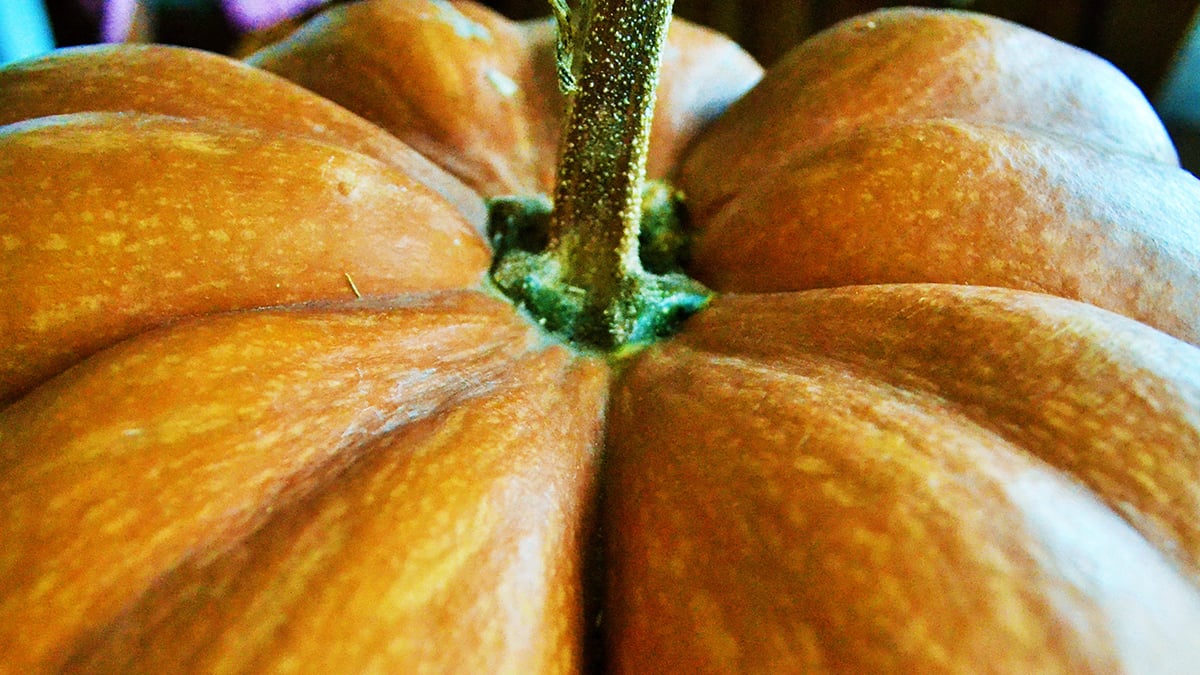
A recent study has uncovered a novel method for extending the freshness of food, utilizing components derived from pumpkin peels. This breakthrough offers a promising new avenue for reducing food waste, aligning with the adage "waste not, want not." The research, detailed in a new study, highlights the potential of pumpkin peel extracts to act as natural preservatives. While the specific mechanisms and applications are still under investigation, the findings suggest a significant advancement in food science. This development could have far-reaching implications for the food industry, potentially leading to more sustainable practices and reduced spoilage. The study's authors are optimistic about the practical applications of their discovery. Further research is expected to explore the scalability and efficacy of this method across various food types. This innovative approach underscores the untapped potential of agricultural byproducts in addressing global food security challenges.
This research into pumpkin peel utilization for food preservation presents an intriguing case of bio-resource innovation. By identifying functional properties in agricultural waste, the study taps into a growing trend of circular economy principles within the food sector. The potential to enhance food shelf-life naturally, without synthetic additives, addresses consumer demand for cleaner labels and could mitigate significant economic losses from spoilage. Future scalability and regulatory approval will be key determinants of its market impact. This discovery prompts consideration of how other underutilized plant materials might offer similar sustainable solutions, fostering a more resource-efficient food system for the coming decade.
AI-generated to prompt reflection — not editorial opinion, not advice, not a statement of fact. How this works.