Punjab CM and Speaker Meet to Resolve Recent Controversies
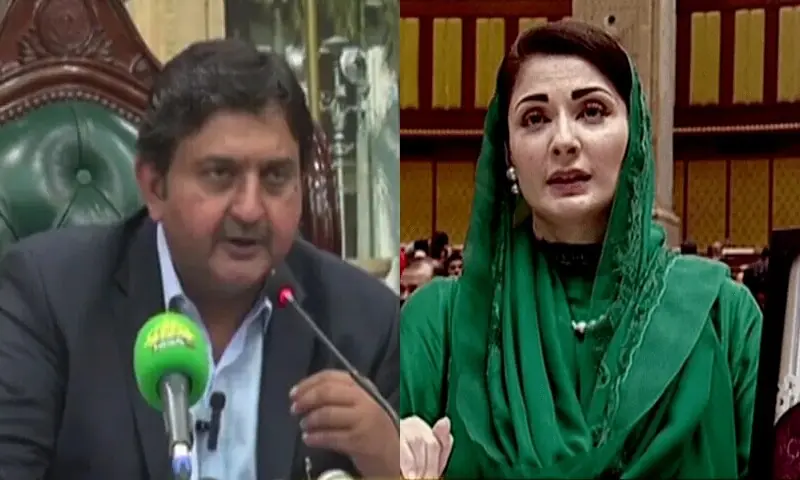
Punjab Chief Minister Maryam Nawaz met with Punjab Assembly Speaker Malik Muhammad Ahmad Khan on Wednesday to address recent controversies surrounding the Speaker's Office. The meeting aimed to dispel misunderstandings that arose from two specific incidents. The first involved the assembly's Committee on Law Reforms and Delegated Legislation, chaired by the speaker, reviewing police performance, particularly the Crime Control Department. This review, prompted by concerns over alleged police misconduct and extrajudicial killings, led to the summoning of senior police officers. Some perceived this as the speaker interfering in policing, an impression amplified on social media that the speaker felt undermined his constitutional office. The second controversy concerned the Punjab Control of Habitual Offenders and Anti-Social Behaviour Bill, 2026. The speaker had privately criticized the bill for echoing colonial-era laws, but it was advanced by a standing committee without his knowledge. This legislation later drew significant criticism from opposition parties, civil society, and even ruling party lawmakers, prompting the Chief Minister to order a review and redrafting. During the meeting, Speaker Khan explained his stance on both issues, asserting his loyalty to the Chief Minister and clarifying that his actions were intended to protect the dignity of his office and uphold the legislature's authority, not to interfere with executive functions. Sources indicated the meeting successfully removed misunderstandings. An official statement noted discussions on mutual interests, the province's political climate, and the budget session. The speaker lauded Chief Minister Nawaz's performance and initiatives, while the Chief Minister acknowledged the speaker's modernization efforts within the assembly.
This meeting between the Punjab Chief Minister and the Assembly Speaker highlights the inherent tension between legislative oversight and executive authority, particularly when sensitive issues like police conduct and potentially overreaching legislation are involved. The Speaker's actions, while framed as upholding constitutional dignity, risked being perceived as executive overreach or legislative interference, a perception amplified by social media dynamics. The swift criticism of the Habitual Offenders Bill underscores the importance of robust legislative drafting and consultation processes to avoid replicating outdated or rights-infringing laws, even within a provincial context. The resolution of these issues through direct dialogue suggests a pragmatic approach to governance, but the underlying systemic challenge of balancing institutional powers and public trust remains a critical consideration for future legislative and executive actions in Punjab.
AI-generated to prompt reflection — not editorial opinion, not advice, not a statement of fact. How this works.