Punjab CM Maryam Nawaz claims PML-N victory in AJK polls, criticizes PPP
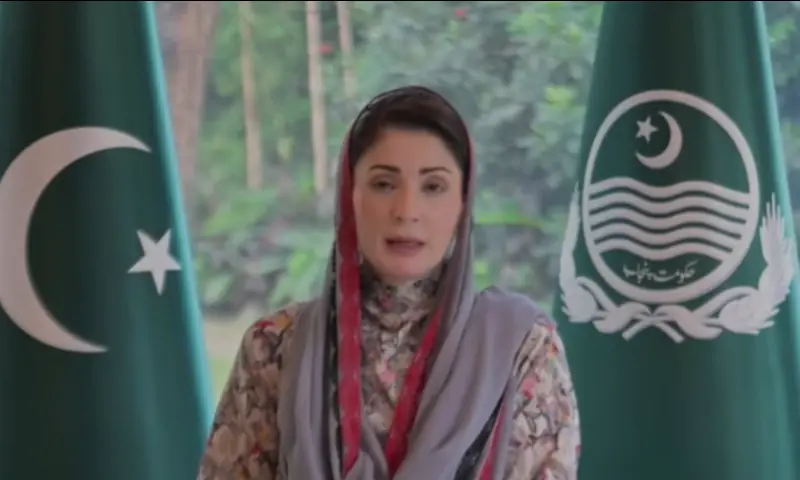
Punjab Chief Minister Maryam Nawaz on Tuesday declared the PML-N's "outstanding victory" in the initial phase of the Azad Jammu and Kashmir (AJK) elections. She urged the Pakistan Peoples Party (PPP) to accept the results, expressing disappointment with the language used by PPP leaders. CM Maryam emphasized that election outcomes are determined by the people, not the state, directly responding to allegations made by PPP Chairman Bilawal Bhutto-Zardari. She recalled that the PML-N had acknowledged the PPP's majority win in Gilgit-Baltistan's elections and offered congratulations, contrasting it with the PPP's current claims of rigging in the AJK elections. According to Maryam Nawaz, the PPP should have focused on improving its performance, developing a compelling narrative, and presenting a clear program for the electorate, noting a perceived lack of these elements from the PPP. She also highlighted the PPP's consistent success in Sindh, suggesting they had no significant projects or future roadmap to present to the people of AJK, despite their continuous governance in Sindh. The Chief Minister concluded by advising the PPP that to win votes, they must engage voters constructively rather than resorting to complaints, given the increased awareness of the public.
The exchange between Punjab Chief Minister Maryam Nawaz and the PPP highlights a common pattern in electoral politics where political parties attribute losses to external factors like rigging, rather than internal shortcomings. This dynamic can undermine democratic processes by eroding public trust in electoral integrity. From a governance perspective, the focus on electoral victories and accusations, rather than policy substance and long-term development plans, suggests a short-term political calculus. As AI becomes more integrated into governance and public services, the ability of political actors to articulate and implement coherent, data-driven strategies for societal advancement will become increasingly crucial for sustained public support and effective leadership.
AI-generated to prompt reflection — not editorial opinion, not advice, not a statement of fact. How this works.