Punjab CM Maryam Nawaz Seeks to Mend Ties with PML-N Lawmakers
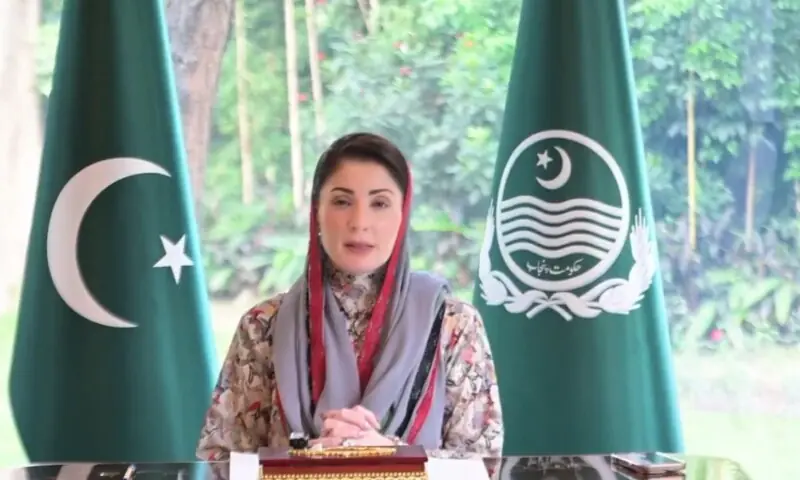
Punjab Chief Minister Maryam Nawaz has initiated regular meetings with Pakistan Muslim League-Nawaz (PML-N) legislators to address their concerns and constituent issues, aiming to bridge a perceived gap between lawmakers and the provincial administration. These meetings are part of a renewed effort to engage with party members more frequently, following earlier sessions with MPAs from Bahawalnagar and Mandi Bahauddin. The initiative comes amid growing resentment among PML-N MPAs, particularly from rural areas, who feel that the bureaucracy and police are not adequately addressing public grievances they bring forward. Since assuming office in February 2024, CM Nawaz has maintained a policy of excluding lawmakers from civil, administrative, and police postings and transfers to promote merit and professionalism. While this policy aims to prevent political interference, it has created unease among legislators who believe officials should at least acknowledge and listen to genuine public complaints. A senior PML-N leader noted that elected representatives face significant pressure from constituents for issues ranging from policing and land disputes to development projects and municipal services. When officials fail to give due importance to an MPA's concerns, it reflects poorly on the legislator and can lead to voter dissatisfaction. The chief minister's decision to increase interaction with lawmakers is seen as a way to alleviate this sense of alienation without compromising her merit-based appointment policy. The Punjab government, through Information and Culture Minister Azma Bokhari, has reiterated that all appointments are strictly merit-based, departing from traditional political influence in administrative and police matters. CM Nawaz is expected to continue these engagements to ensure party legislators feel heard and respected.
This situation highlights a common tension between elected representatives seeking to demonstrate efficacy to their constituents and administrative bodies striving for professional, merit-based operations. Chief Minister Maryam Nawaz's strategy appears to balance these competing demands by maintaining a firm stance against political interference in appointments while increasing dialogue with her party's legislators. This approach acknowledges the symbolic and practical importance of elected officials feeling heard by the administration, even if they do not control personnel decisions. The long-term success of this strategy will depend on whether the administrative machinery can demonstrably address public grievances brought forth by MPAs, thereby validating the CM's policy and mitigating legislative discontent. Failure to do so could lead to continued friction and undermine the perceived effectiveness of both the administration and the elected representatives within the PML-N framework, potentially impacting future electoral performance by creating a disconnect between the party's legislative base and its administrative leadership.
AI-generated to prompt reflection — not editorial opinion, not advice, not a statement of fact. How this works.