Punjab Congress Leaders Capitulate to High Command Amidst Election Tensions
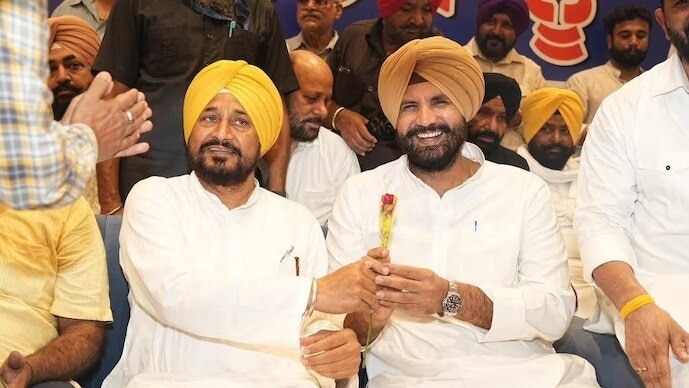
Ahead of the Punjab Assembly elections, the Congress party's high command adopted a firm stance to quell internal political turmoil. Following this decisive approach, prominent leaders Charanjit Singh Channi and Sukhjinder Singh Randhawa have reportedly conceded. Both leaders have stated their adherence to the high command's directives and expressed their commitment to working collaboratively within the party. This development signals a temporary resolution to the recent power struggles that have been unfolding within the Punjab Congress unit. The high command's intervention appears to have successfully brought the dissenting factions into alignment, at least for the immediate electoral campaign. The focus now shifts to the party's unified efforts as they prepare to face the upcoming elections.
The Congress party's internal dynamics in Punjab illustrate a common challenge in large political organizations: balancing regional leadership aspirations with central party authority, particularly during critical election periods. The high command's assertive intervention suggests a strategic prioritization of party unity over individual leader ambitions to maximize electoral prospects. This approach, while potentially resolving immediate conflicts, raises questions about the long-term implications for leadership development and grassroots engagement within the state unit. The effectiveness of this enforced unity will be tested by the election results and subsequent internal political maneuvering, highlighting the ongoing tension between centralized control and decentralized autonomy in political party governance.
AI-generated to prompt reflection — not editorial opinion, not advice, not a statement of fact. How this works.