Punjab PMS Officers Oppose Creation of 101 New Assistant Commissioner Posts
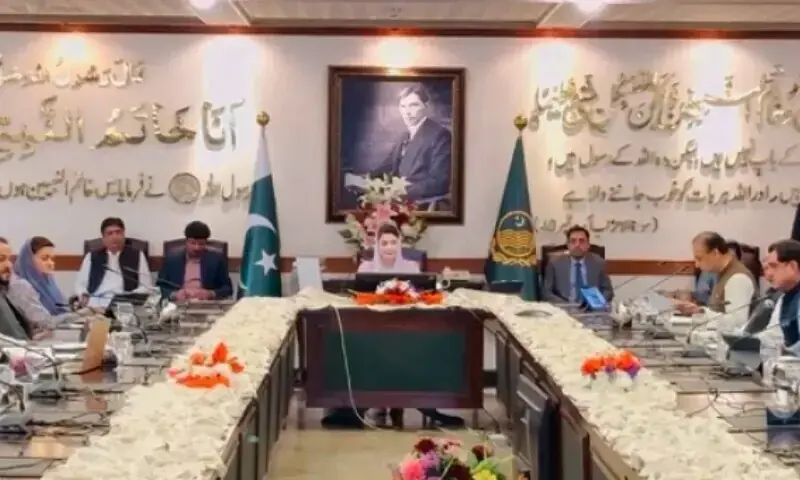
The Provincial Management Service (PMS) officers' association in Punjab has strongly opposed the provincial government's plan to establish 101 new Additional Assistant Commissioner (AAC) positions. The association deems this move "mala fide" and believes it is intended to weaken the PMS cadre. They argue that these AAC posts were abolished decades ago and their revival is unnecessary, particularly with the existence of the Punjab Enforcement and Regulatory Authority (PERA) force. The PMS association plans to meet with the Punjab services secretary and additional chief secretary to voice their concerns. Should their issues not be addressed, they intend to commence a protest by wearing black armbands across the province starting Tuesday. The association highlights that creating these new posts will impose a significant financial burden on the national exchequer, estimating the cost for one AAC at approximately Rs46.825 million and for all 101 AACs at around Rs4.729 billion, excluding ongoing salaries and privileges. This cost encompasses official vehicles, support staff, monthly budgets, and office facilities. Furthermore, PMS officers have raised grievances regarding alleged discrimination in postings and transfers, delays in promotion boards, and the placement of junior officers in senior roles. While acknowledging the goal of improving public service delivery, former administrative secretary Yawar Mehdi cautioned that strengthening field administration should not compromise the civil secretariat or hinder the career advancement of PMS officers.
The Punjab government's proposal to reinstate 101 Additional Assistant Commissioner posts raises questions about administrative efficiency and resource allocation. While the stated aim of improving public service delivery is a valid objective, the significant financial outlay estimated by the PMS association warrants careful scrutiny. The conflict between the government's initiative and the PMS officers' concerns highlights potential structural tensions within the provincial bureaucracy regarding cadre strength, career progression, and the optimal distribution of administrative responsibilities. Future policy decisions in this domain should consider long-term fiscal sustainability and explore alternative mechanisms for enhancing public service delivery that do not create inter-cadre friction or impose undue burdens on the exchequer, perhaps by optimizing existing roles or leveraging technological solutions.
AI-generated to prompt reflection — not editorial opinion, not advice, not a statement of fact. How this works.
