Punjab's Anti-Sacrilege Law Sparks Controversy Ahead of Elections
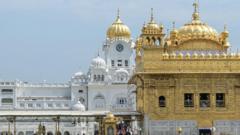
A contentious anti-sacrilege law in India's Punjab has reignited a deeply sensitive political and religious debate. This issue is particularly significant as it emerges in the lead-up to the state elections scheduled for next year. The law addresses acts deemed offensive to religious texts or symbols, a topic that has historically evoked strong emotions and political maneuvering within the state. The revival of this debate is expected to influence the electoral landscape and the strategies of various political parties. Punjab has a complex history with religious sensitivities, and laws concerning sacrilege have often been flashpoints for social and political unrest. The timing of this controversy suggests it could become a central theme in election campaigns, potentially polarizing voters along religious lines. Political analysts are closely watching how different factions will leverage this issue to garner support. The outcome of this debate and its impact on the elections could have long-term implications for religious freedom and political discourse in Punjab.
The re-emergence of the anti-sacrilege law debate in Punjab highlights the persistent tension between religious sensitivities and secular governance, particularly in an election year. Political actors may leverage such issues to mobilize specific voter demographics, potentially overshadowing policy-based discussions. The challenge lies in balancing the protection of religious sentiments with fundamental rights to expression and ensuring that legal frameworks do not become instruments of political expediency. Looking ahead, the integration of AI in governance could offer new avenues for mediating such disputes, but the risk of digital manipulation or algorithmic bias requires careful consideration. Ultimately, the resolution of such controversies will depend on fostering inclusive dialogue and strengthening democratic institutions capable of navigating complex societal values.
AI-generated to prompt reflection — not editorial opinion, not advice, not a statement of fact. How this works.