Punjab Urial Population Shows Strong Recovery in Pakistan's Salt Range
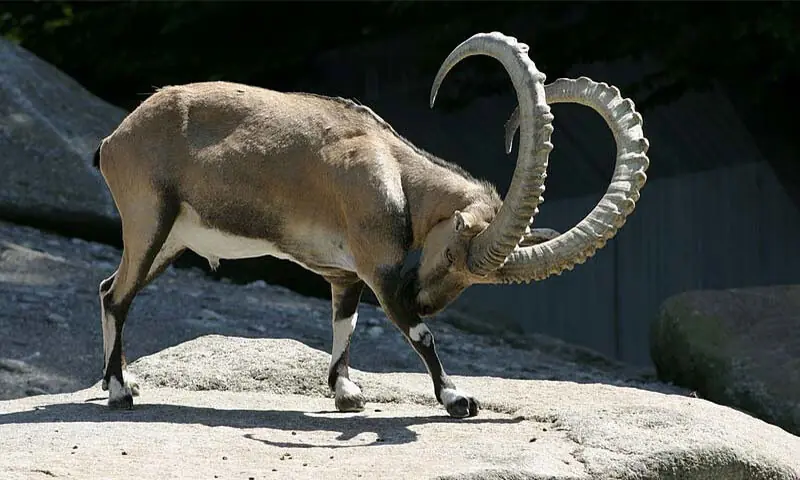
The population of the rare Punjab urial, a unique subspecies of wild sheep, is experiencing a significant resurgence in Pakistan's Salt Range, particularly in the Chakwal and Jhelum districts. Recent observations and footage confirm the presence of large, undisturbed herds roaming freely, indicating improved habitat safety and stability for this vulnerable species. The Punjab urial, known for its reddish-brown fur, is endemic to the Salt Range, a 300-square-kilometer area characterized by rugged mountains and dense scrub forests. Despite this encouraging recovery, the species remains classified as vulnerable on the IUCN Red List due to ongoing threats such as habitat fragmentation, competition with livestock, and poaching. Officials from the Punjab Wildlife and Parks Department attribute the population gains to sustained field protection operations and effective conservation measures. These efforts have led to a substantial increase in numbers, with estimates showing the urial population nearly doubling from approximately 3,700 in 2018 to 6,891 by the end of 2023. Field staff have reported observing herds actively navigating the cliffs in areas like Sannapar and Phadial, further validating the success of conservation initiatives.
The observed rebound of the Punjab urial population in the Salt Range highlights the efficacy of targeted conservation efforts and dedicated field protection by the Punjab Wildlife and Parks Department. This success story underscores the critical role of institutional commitment and resource allocation in safeguarding biodiversity, even for species facing significant anthropogenic pressures like habitat loss and poaching. As the region grapples with development and resource utilization, maintaining this conservation momentum will require adaptive strategies that balance ecological needs with human activities. Future challenges may involve addressing the root causes of habitat fragmentation and livestock competition through community engagement and sustainable land-use planning, ensuring the long-term viability of the urial population beyond current protection measures. The data suggests a positive trajectory, but continued monitoring and proactive management are essential to secure the species' status against evolving environmental and societal dynamics.
AI-generated to prompt reflection — not editorial opinion, not advice, not a statement of fact. How this works.