Pureza's Olheiro Tourist Spot Closed for Swimming Due to Spectacled Caiman Sighting
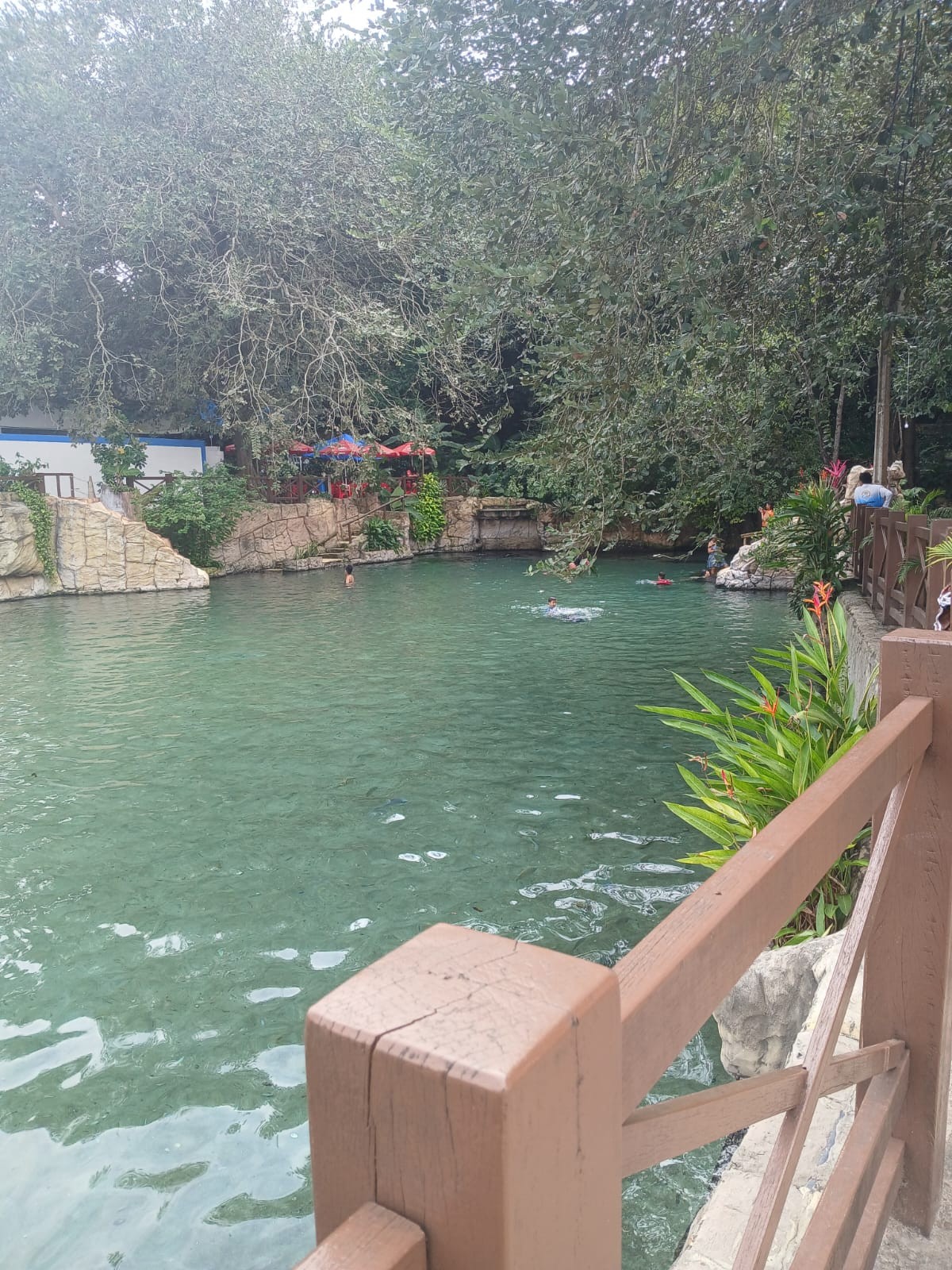
The Olheiro de Pureza, a primary tourist attraction in Pureza, Rio Grande do Norte, approximately 65 km from Natal, has been temporarily closed for swimming. The closure, enacted on Monday, August 6th, by the municipal government, follows the sighting of a spectacled caiman in the area. The prefecture stated it has contacted relevant authorities, including the Environmental Police, Fire Department, and the RN Institute for Sustainable Development and Environment (Idema), to implement necessary measures for public and tourist safety, as well as the animal's welfare. The duration of the closure has not been specified, but further information regarding its reopening will be provided soon. A meeting was held on Monday afternoon with the involved agencies to determine the next steps. Idema confirmed that a joint inspection of the area will be conducted, aiming to relocate the caiman to a suitable natural habitat by Wednesday, August 8th. Pureza's mayor, Ricardo Brito, noted that the caiman, measuring about 1.5 meters, was discovered on Sunday, August 5th, by the Municipal Civil Defense. He emphasized the responsible approach taken for both the animal and the public, requesting patience from residents and local businesses. This is not the first time the Olheiro has faced temporary closure; last August, it was closed to remove a swarm of bees. The Olheiro de Pureza was recognized as a State Environmental, Natural, Historical, and Landscape Heritage site last year.
The temporary closure of the Olheiro de Pureza due to a caiman sighting highlights the ongoing challenge of balancing human recreational use of natural areas with wildlife conservation. While immediate safety measures are prudent, the incident underscores the need for integrated land-use planning that anticipates and mitigates human-wildlife encounters. Future management strategies could involve enhanced ecological monitoring, public education campaigns on coexisting with local fauna, and potentially designated wildlife corridors to reduce the likelihood of animals entering populated or tourist zones. This situation also presents an opportunity to reinforce the value of the Olheiro as a recognized heritage site, promoting sustainable tourism that respects its natural environment and its inhabitants.
AI-generated to prompt reflection — not editorial opinion, not advice, not a statement of fact. How this works.