Purple Jellyfish Surge in Evia: What Swimmers Need to Know
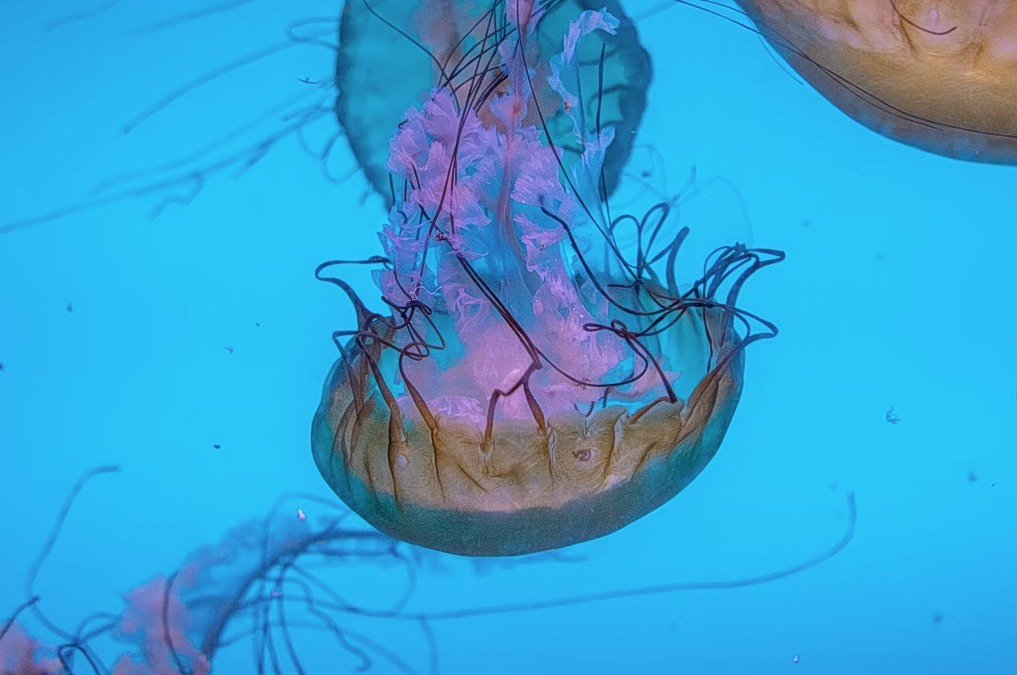
Greek seas have seen a significant increase in purple jellyfish in recent months, causing concern among swimmers, particularly in Evia. It is crucial for the public to understand how to protect themselves and properly manage potential stings without panic. Not all jellyfish pose a danger. For instance, the brown jellyfish, also known as 'saloufa', typically reaches the size of a dinner plate and is not considered harmful. However, the purple jellyfish, while not typically life-threatening, can deliver a painful sting. Authorities are advising swimmers to be aware of their surroundings and to avoid contact with these marine creatures. If a sting does occur, immediate first aid measures should be taken, and medical attention sought if symptoms are severe. Information campaigns are being launched to educate the public on identifying different jellyfish species and the appropriate responses to encounters. The increased presence is being monitored by marine biologists who are studying the environmental factors contributing to this phenomenon. Coastal communities are being urged to report sightings to help track the distribution of the purple jellyfish.
The increased presence of purple jellyfish in Greek waters highlights the dynamic nature of marine ecosystems and their susceptibility to environmental shifts. These blooms can be influenced by factors such as water temperature, nutrient availability, and changes in predator-prey relationships, all of which are increasingly impacted by climate change. Public awareness campaigns are essential for mitigating risks to swimmers and tourism, but they also underscore the need for scientific research into the long-term ecological drivers of such phenomena. Understanding these drivers could inform more sustainable coastal management strategies and potentially predict future occurrences, allowing for proactive rather than reactive measures. The situation presents an opportunity to assess the resilience of local marine biodiversity and the economic implications for coastal communities reliant on safe recreational access to the sea.
AI-generated to prompt reflection — not editorial opinion, not advice, not a statement of fact. How this works.