Purple Jellyfish Swarms Cause Concern on Greek Beaches
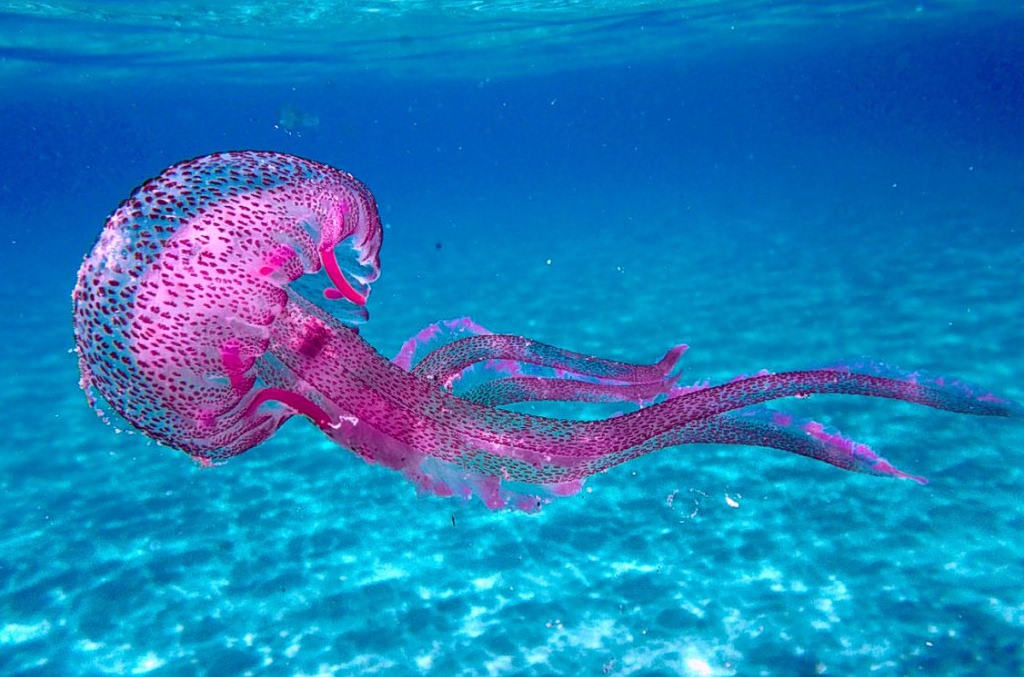
Purple jellyfish are causing increasing concern on Greek beaches due to their frequent appearances. Recent data indicates their presence across numerous regions of the country, with notable concentrations reported in Euboea and Phthiotis. Specific locations experiencing significant sightings include Chalkida, Arkitsa, Drosia, and parts of the Pagasetic Gulf. An interactive map from 'iNaturalist' is tracking these jellyfish populations. The public is advised on necessary actions to take in the event of a sting. The proliferation of these jellyfish is becoming a recurring issue, prompting authorities and beachgoers to remain vigilant.
The increased sightings of purple jellyfish in coastal areas suggest a potential shift in marine ecosystems, possibly influenced by factors such as water temperature, nutrient availability, or changes in predator-prey dynamics. While jellyfish blooms are natural phenomena, their growing frequency and concentration in popular tourist areas warrant a closer examination of environmental indicators. Understanding the underlying causes could inform long-term strategies for coastal management and potentially mitigate impacts on tourism and local economies. Further research into the specific triggers for these blooms and their broader ecological implications will be crucial for anticipating and adapting to such events in the coming years.
AI-generated to prompt reflection — not editorial opinion, not advice, not a statement of fact. How this works.