Putin Accuses West of Hiding Neocolonial Ambitions Behind Rules-Based Order
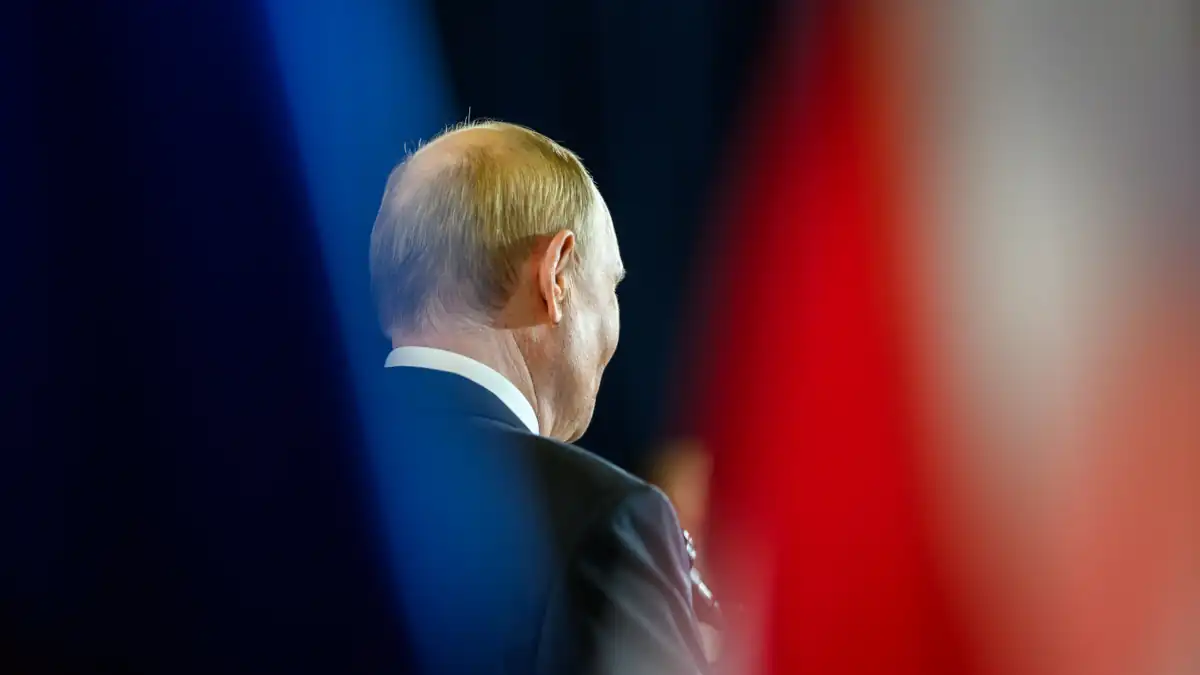
Russian President Vladimir Putin has criticized the rules-based international order championed by Western nations, alleging that it conceals neocolonial objectives. This statement was conveyed during the opening of the 12th Primakov Readings international scientific and expert forum in Moscow on June 23. Putin's message was presented by his international affairs advisor, Yuri Ushakov. The Russian leader contends that the West's promotion of a rules-based system is a facade for its desire to maintain dominance and exert influence over other countries, reminiscent of colonial practices. He suggests that this approach undermines genuine international cooperation and disregards the sovereignty of non-Western states. The forum, named after former Soviet Prime Minister Yevgeny Primakov, typically brings together prominent scholars, diplomats, and policymakers to discuss global affairs. Putin's remarks at this event signal Russia's ongoing critique of the current global governance structure and its perceived Western-centric biases.
President Putin's critique of the Western-promoted rules-based international order frames it as a tool for neocolonialism. This perspective challenges the legitimacy of existing international norms and institutions, suggesting they serve the interests of dominant powers rather than global equity. The framing invites scrutiny into the historical evolution of international law and the power dynamics that shape its application. As the global landscape shifts, understanding competing narratives about international governance is crucial for navigating future geopolitical alignments and the potential for alternative multilateral frameworks. This discourse highlights a fundamental tension between universal principles and the pursuit of national interests within the international system, particularly as emerging powers seek greater influence.
AI-generated to prompt reflection — not editorial opinion, not advice, not a statement of fact. How this works.