Putin critic convicted, barred from parliamentary elections amid fuel crisis
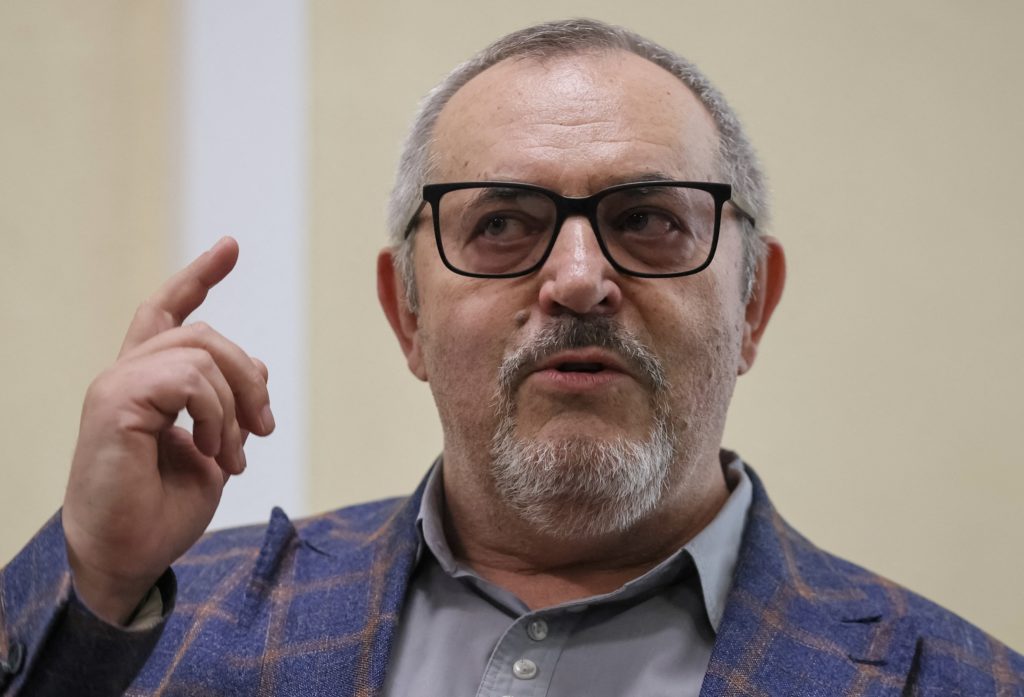
A prominent critic of Vladimir Putin has been convicted on charges that will prevent him from campaigning for Russia's upcoming parliamentary elections. The verdict highlights the Russian authorities' efforts to suppress any remaining dissent before the September vote. This action occurs as a fuel crisis, exacerbated by Ukrainian strikes on oil facilities within Russia, threatens to undermine public support for the Kremlin. The conviction serves as a stark message to opposition figures and potential challengers.
The conviction of a Putin critic ahead of parliamentary elections, coinciding with a fuel crisis impacting public sentiment, suggests a strategic effort by Russian authorities to consolidate political control. By removing opposition voices from the electoral process, the Kremlin aims to mitigate potential challenges to its authority, particularly as economic pressures mount. This move reflects a broader pattern of tightening political space, where dissent is managed through legal and administrative means to ensure stability and maintain public support, or at least prevent its erosion, during times of external pressure and internal economic strain. The interplay between geopolitical events and domestic political maneuvering underscores the complex challenges facing the Russian government in balancing national security concerns with public opinion.
AI-generated to prompt reflection — not editorial opinion, not advice, not a statement of fact. How this works.