Putin's Maximalist Stance Amidst Russian Economic Strain
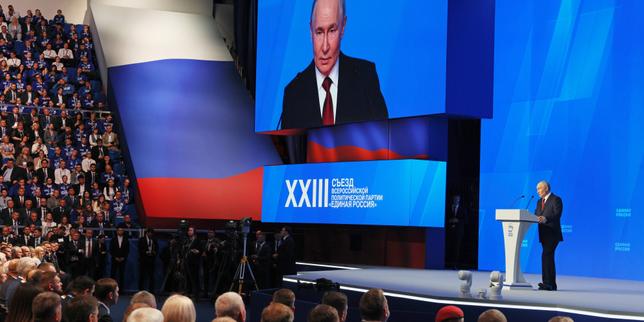
Despite a depleted economy and public weariness, Russian President Vladimir Putin is maintaining his maximalist demands regarding Ukraine. He is reportedly refusing any diplomatic options to end the ongoing war. The situation suggests a continued commitment to his current objectives, even in the face of domestic challenges. This approach indicates a potential unwillingness to compromise on key issues, prolonging the conflict. The Russian economy's weakened state and the population's fatigue are significant factors that Putin appears to be navigating while pursuing his foreign policy goals. His steadfast position on Ukraine highlights a strategic decision to prioritize these demands over potential de-escalation through diplomacy.
The Russian leadership's adherence to maximalist objectives in Ukraine, despite significant economic pressures and potential domestic discontent, presents a complex governance challenge. This strategy may reflect a calculation that perceived geopolitical gains or security imperatives outweigh short-term economic costs and public opinion. The persistence of this approach, even when diplomatic avenues appear closed, suggests underlying strategic priorities that prioritize nationalistic or security-related objectives over immediate conflict resolution. Examining the incentive structures driving this decision-making, particularly in relation to international standing and internal political stability, will be crucial for understanding future geopolitical dynamics in the region over the next decade.
AI-generated to prompt reflection — not editorial opinion, not advice, not a statement of fact. How this works.